

Desks and tables design
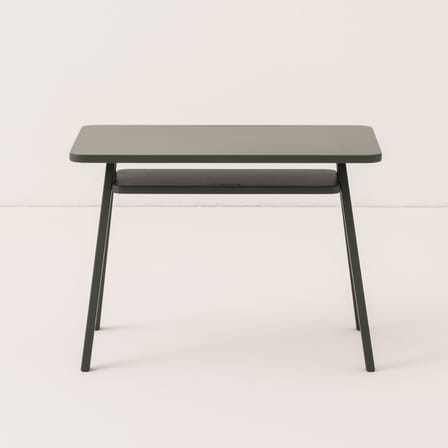
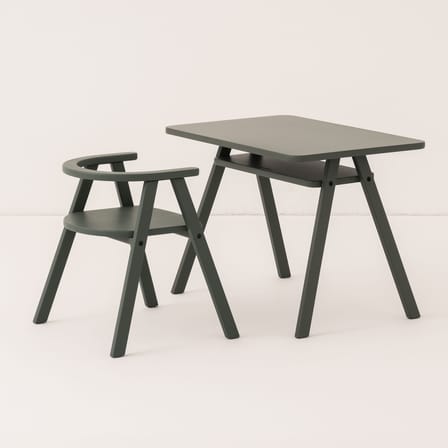
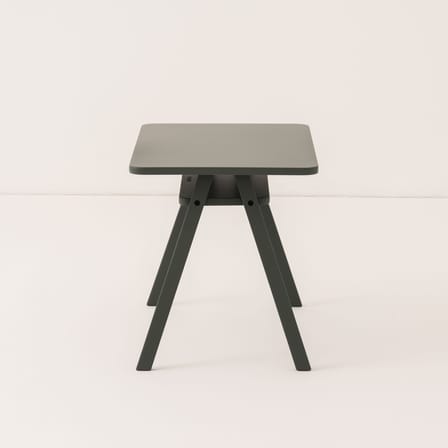
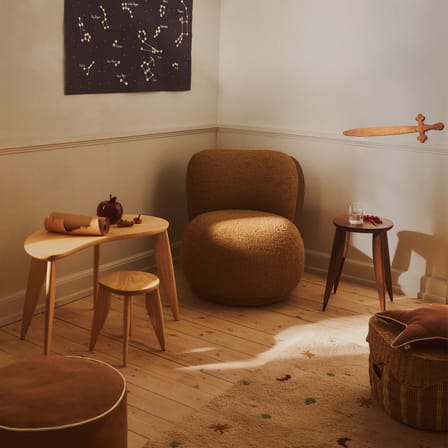
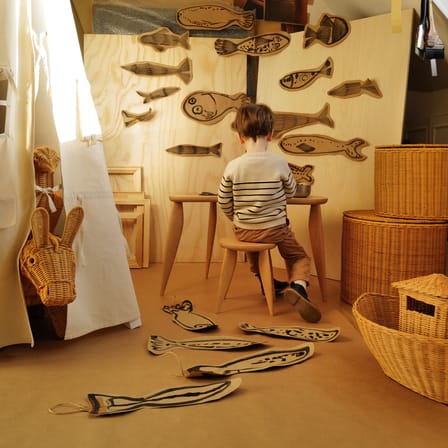
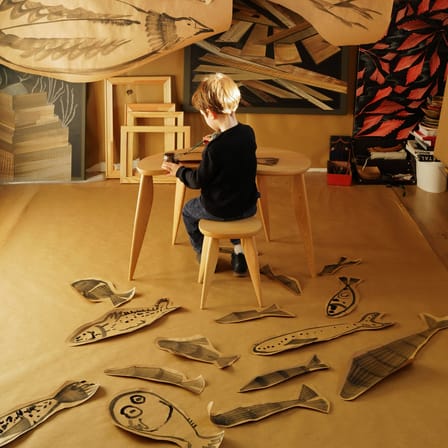
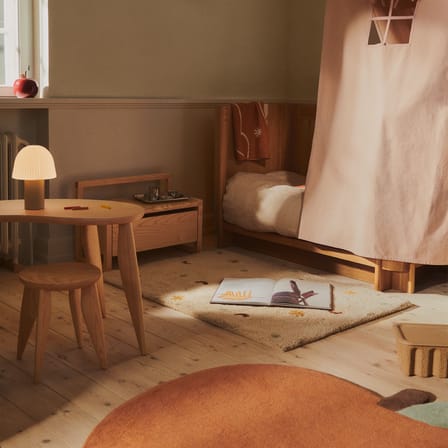
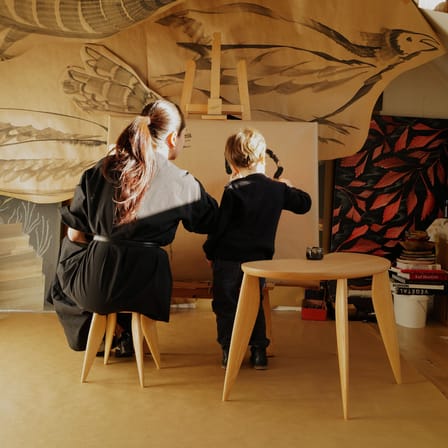
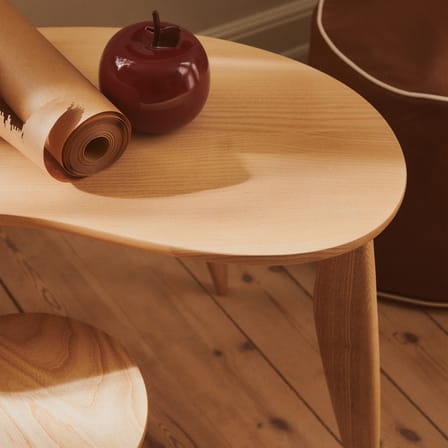
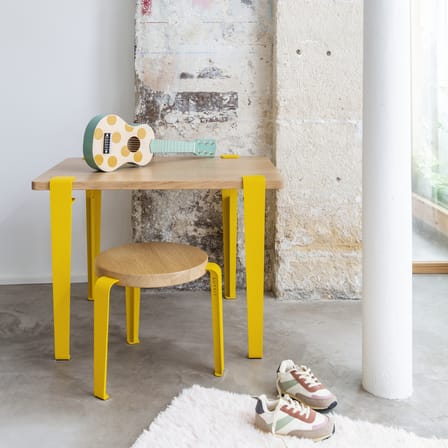
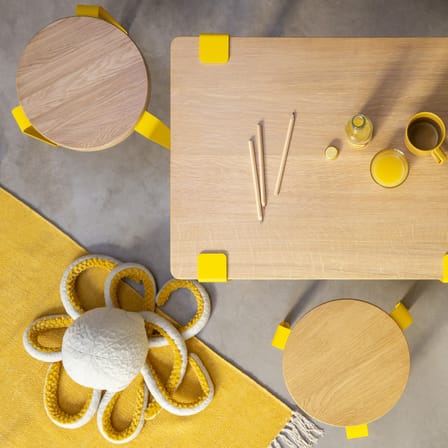
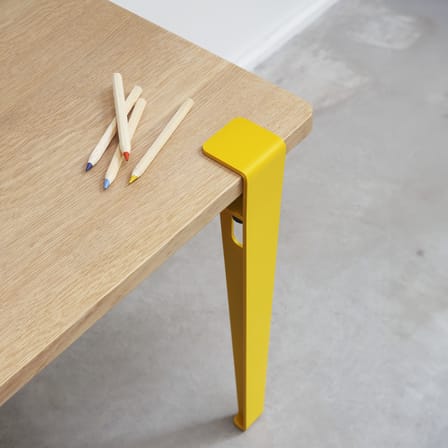
Designed to foster independence and creativity, children’s design desks and tables combine refined aesthetics with functionality tailored to young users. Nobodinoz and Ferm Living present models perfectly sized for children, yet conceived with a designer’s eye: balanced proportions, natural materials, and meticulous details. Mini tables that bridge the gap between a child’s world and contemporary style—made for drawing, dreaming, learning, and growing surrounded by beauty.
Show more
-
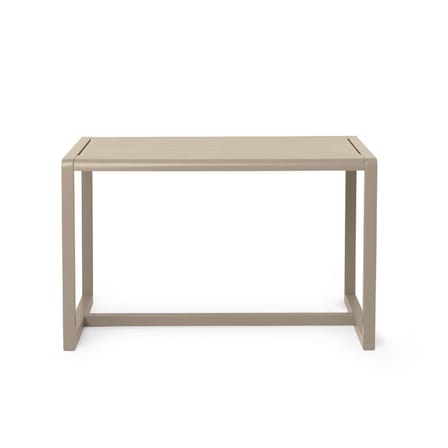
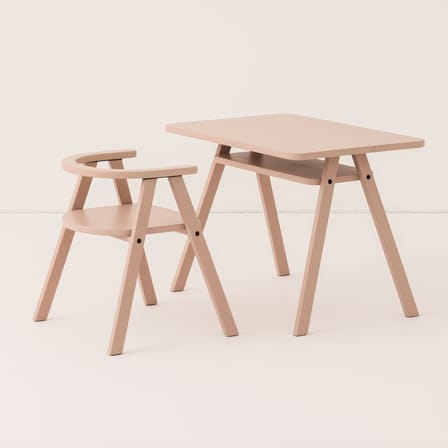
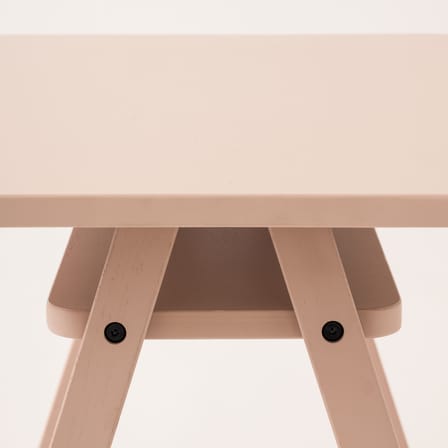
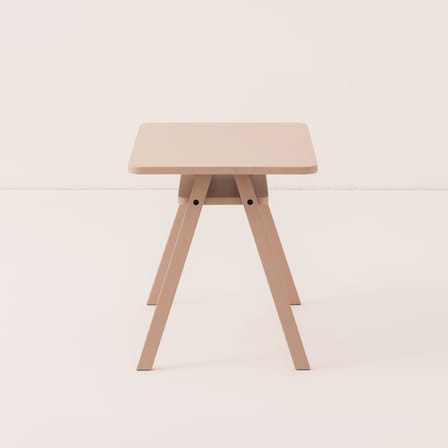
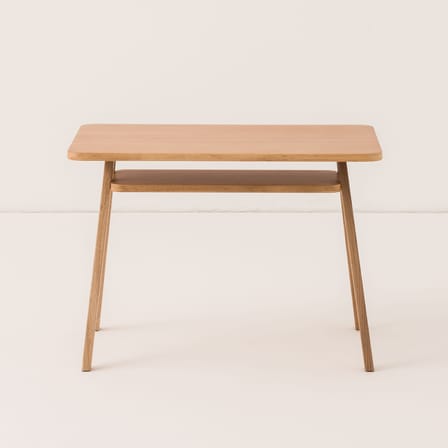
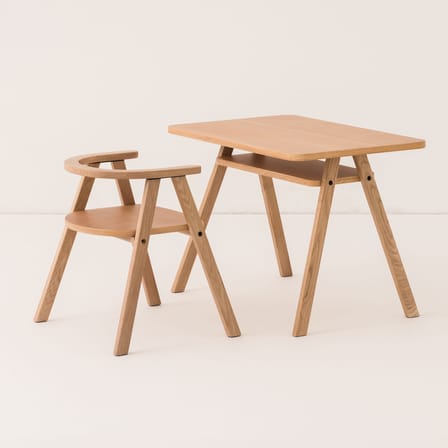
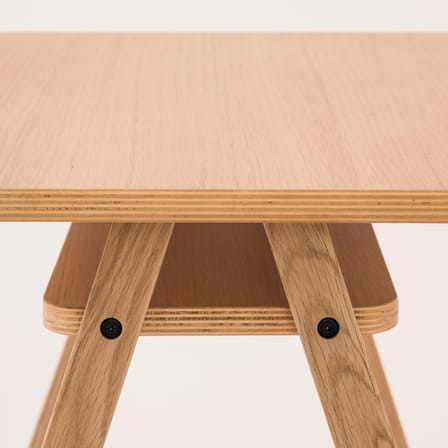
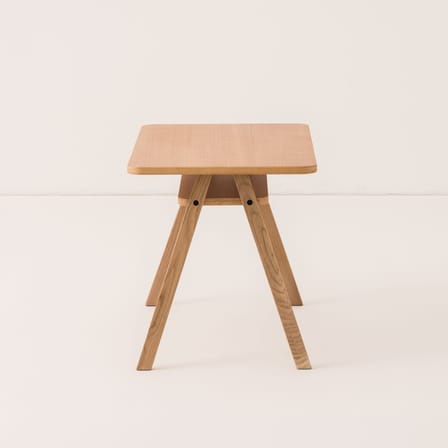
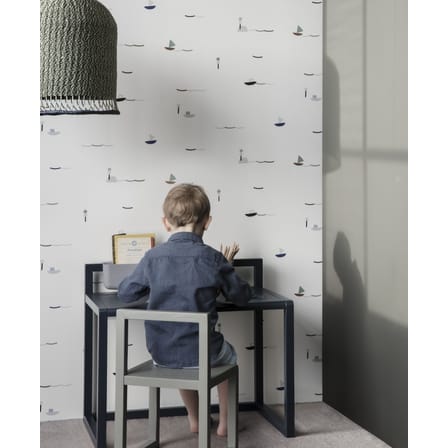
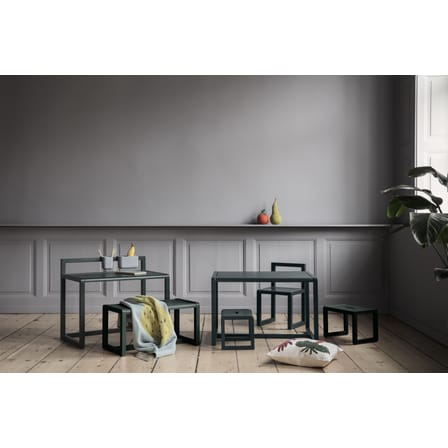
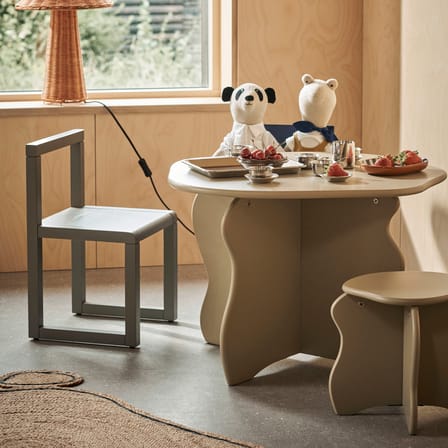
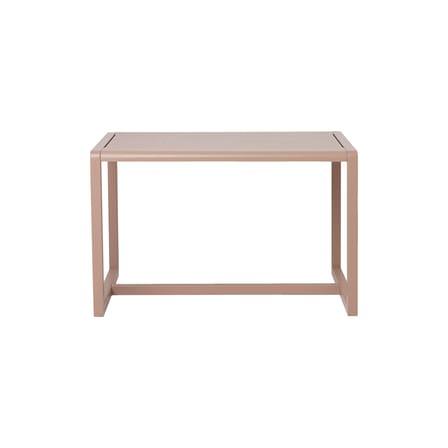
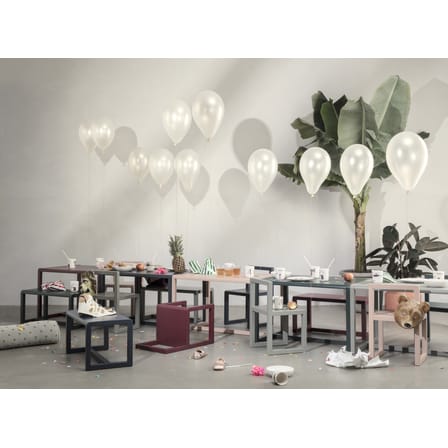
Ferm Living Little Architect Children table wood beige / 4 seats - 76 x 55 cm
Cashmere beige more variations -
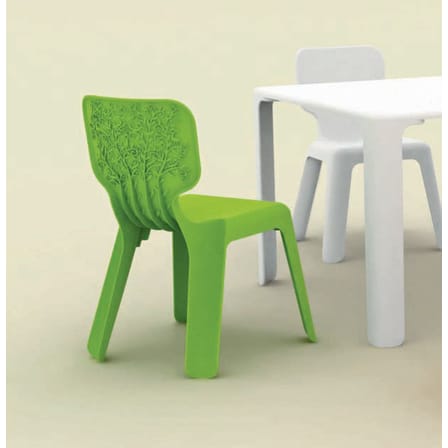
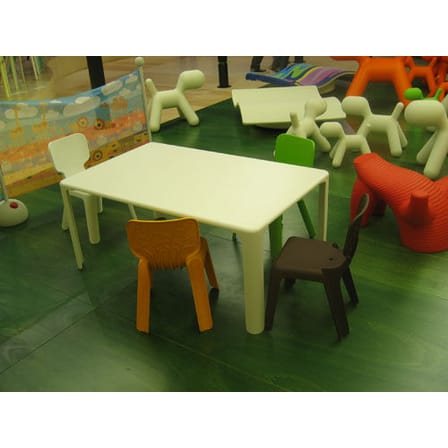
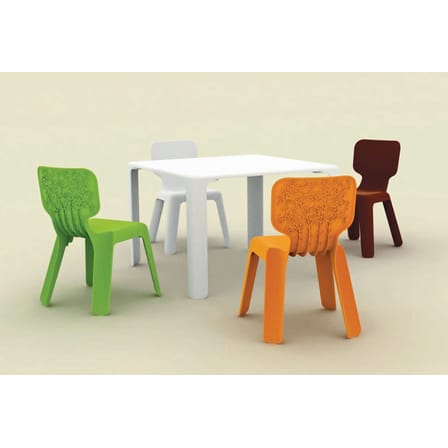
Magis Linus Children table plastic material wood white 75 cm x 75 cm
White more variations -
eco design
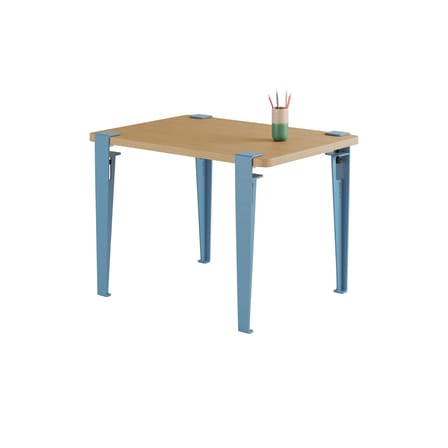
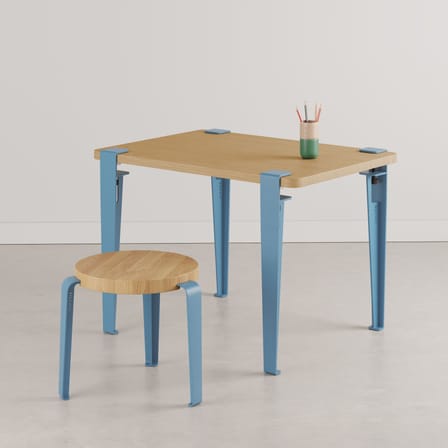
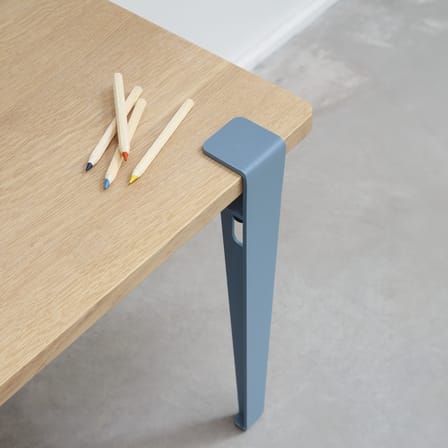
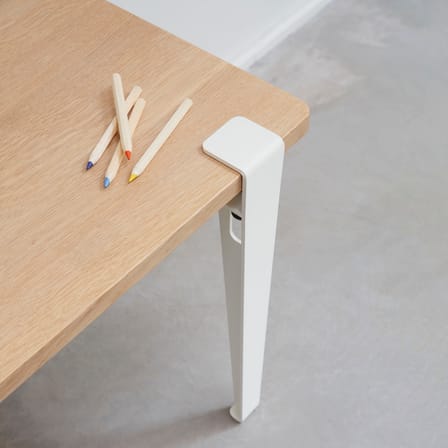
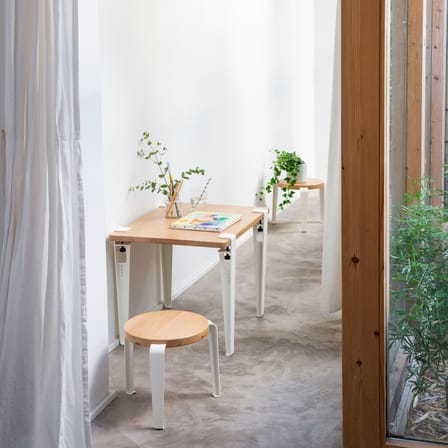
TIPTOE Children's desk wood blue / 70 x 50 cm - Oak
Oak - Whale blue more variations -
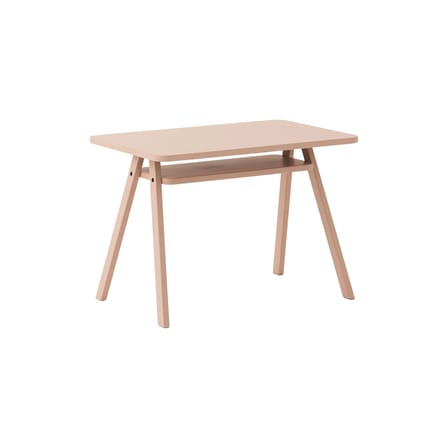
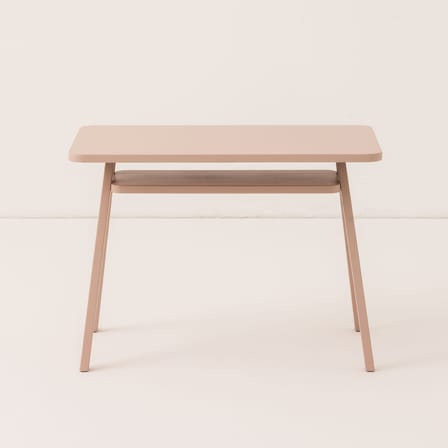
NOBODINOZ Growing Green Children's desk wood pink / 70 x 45 x H 50 cm
Blush pink more variations -
eco design
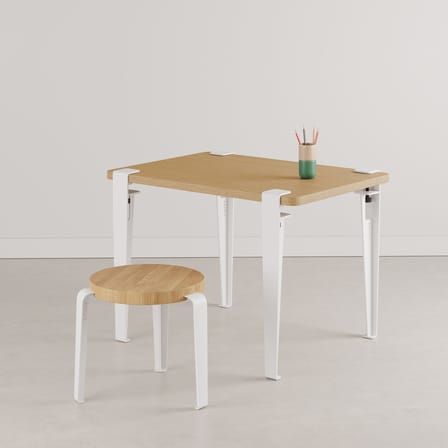
TIPTOE Children's desk wood white / 70 x 50 cm - Oak
Oak - Cream white more variations -
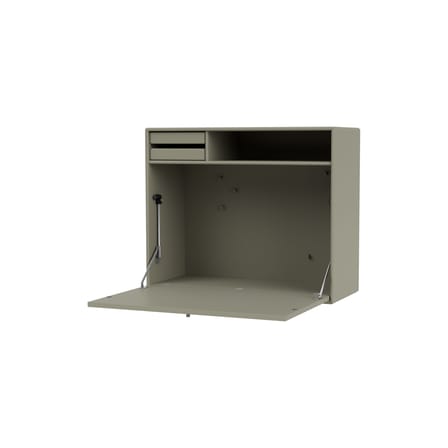
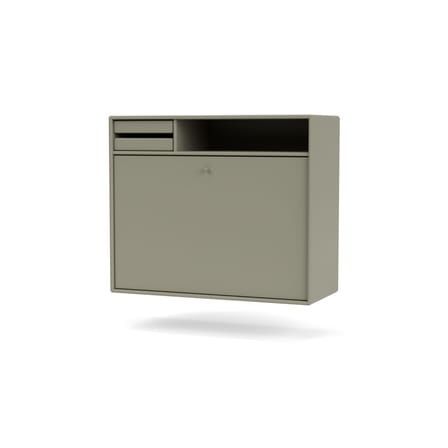
MONTANA Monterey Kids Children's desk wood white / W 100 x D 60 x H 57 cm
Oat 158 more variations -

-
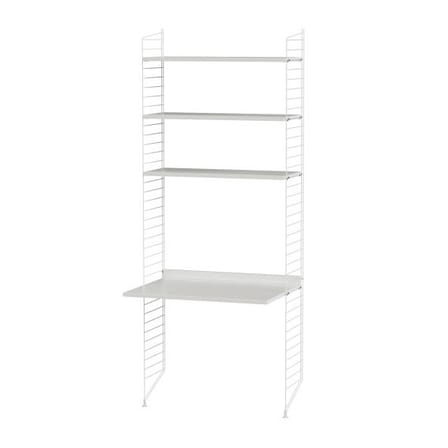
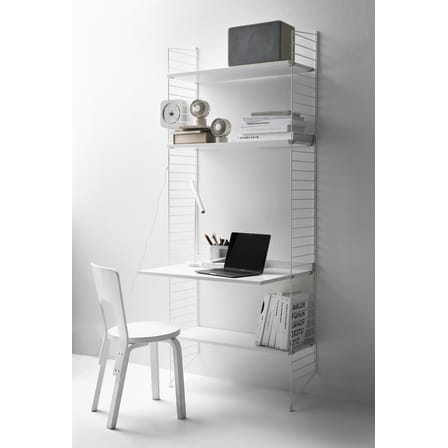
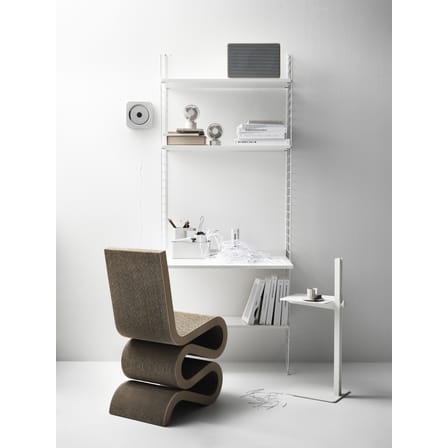
String Furniture String Desk - L 78 x H 200 cm
White -
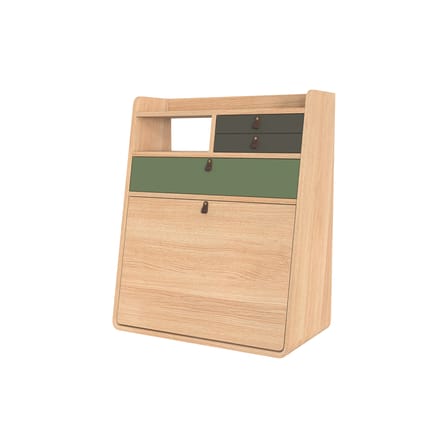
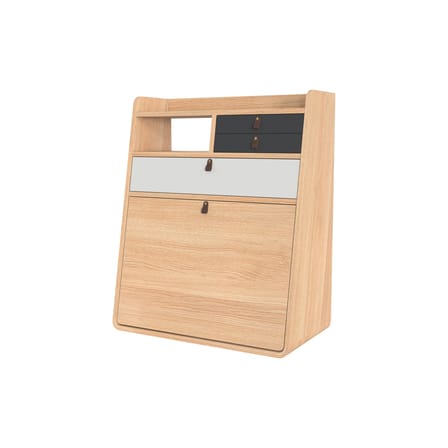
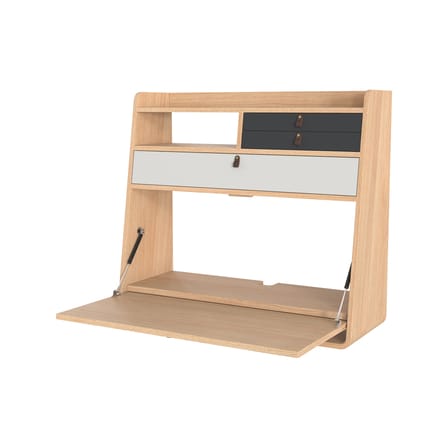
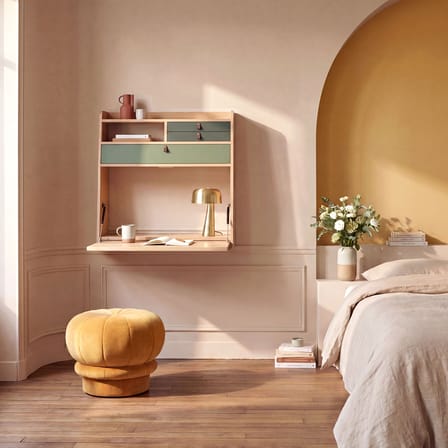
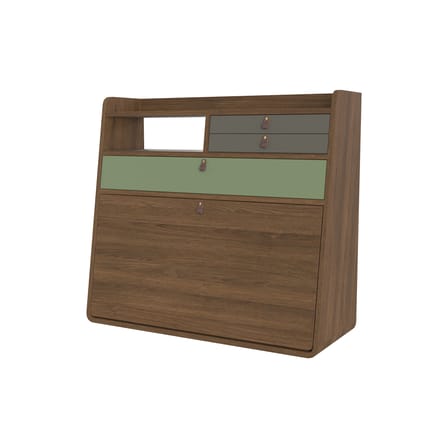
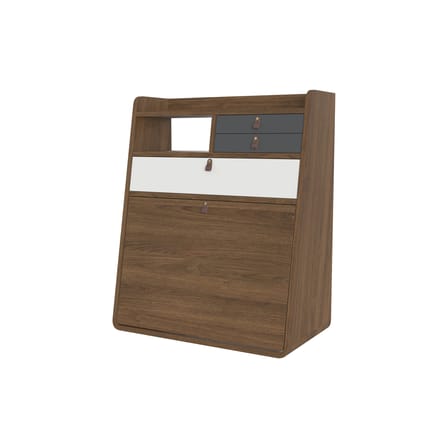
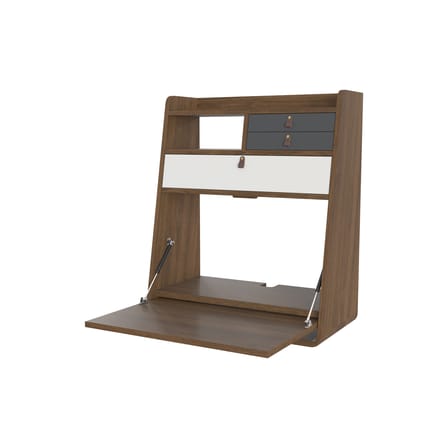
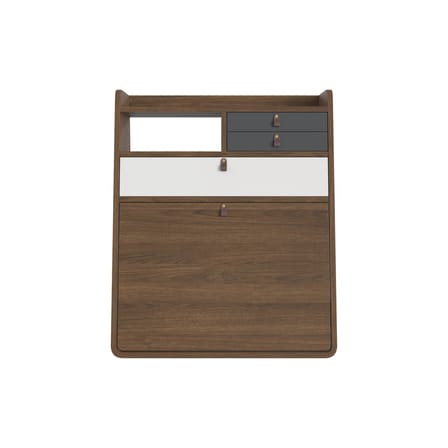
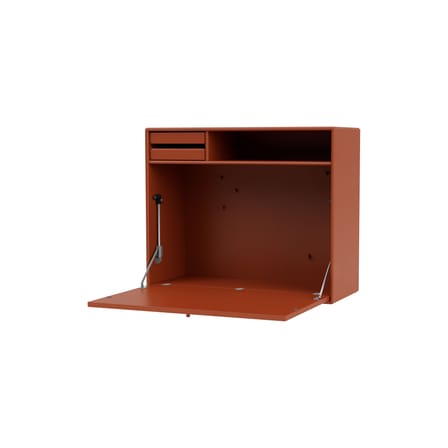
Hartô Gaston Wall writing desk wood green / W 60 x H 72 cm - Oak
Ash green & Sage / Oak more variations -
eco design
TIPTOE Vice Versa Children's desk wood / 70 x 50 cm - Reversible Slate grey / Stratified
Black - White - Dino Green more variations -
NOBODINOZ Growing Green Children's desk wood red / 70 x 45 x H 50 cm
Red more variations -
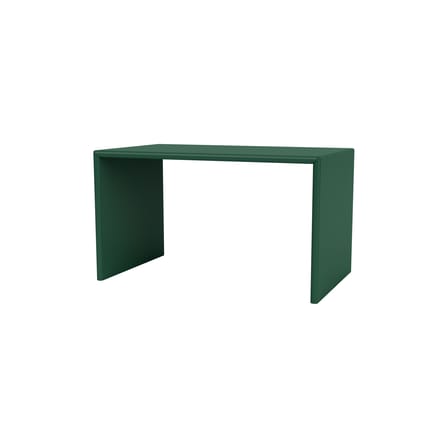
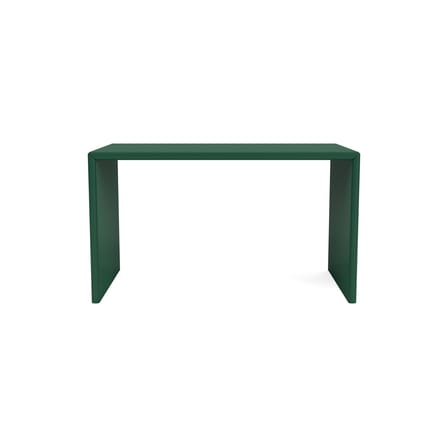
MONTANA Monterey Kids Children's desk wood green / W 100 x D 60 x H 57 cm
Pine 136 more variations -
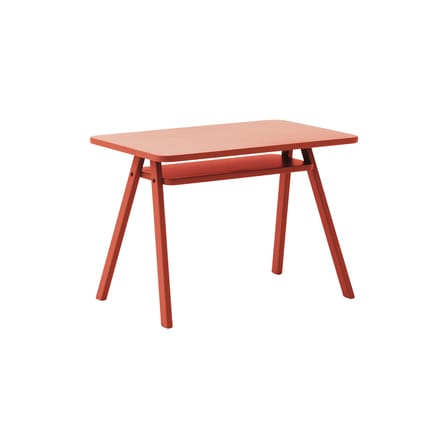
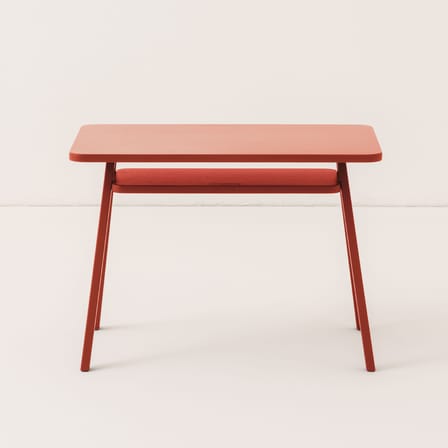
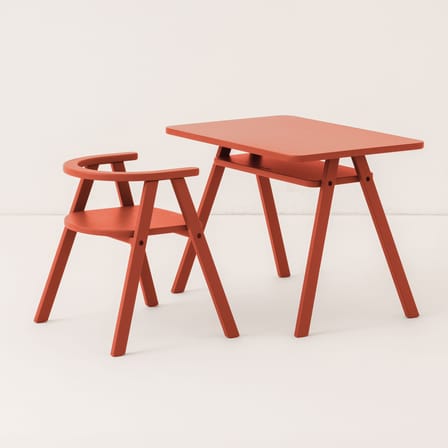
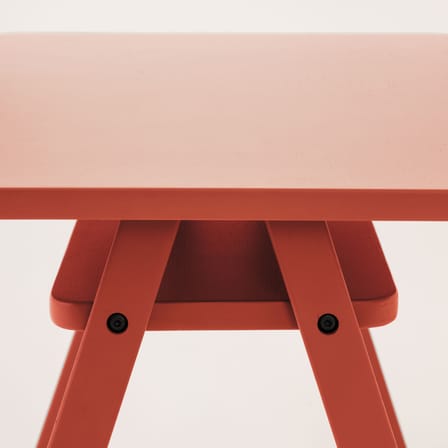
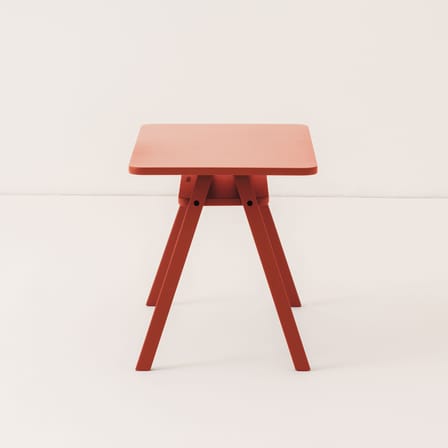
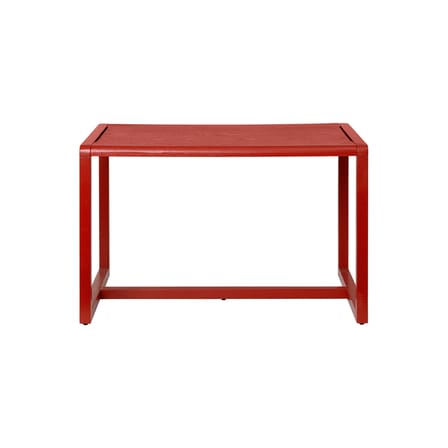
Ferm Living Little Architect Children table wood red / 76 x 55 cm
Poppy red more variations -
NOBODINOZ Growing Green Children's desk wood green / 70 x 45 x H 50 cm
Green more variations -
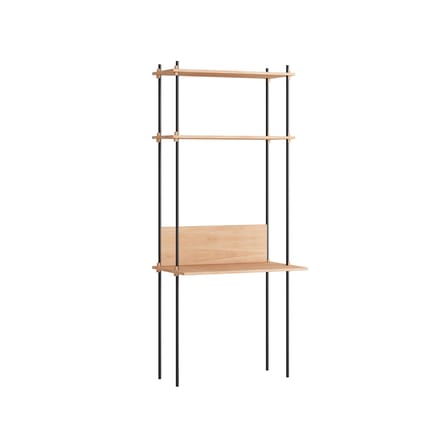
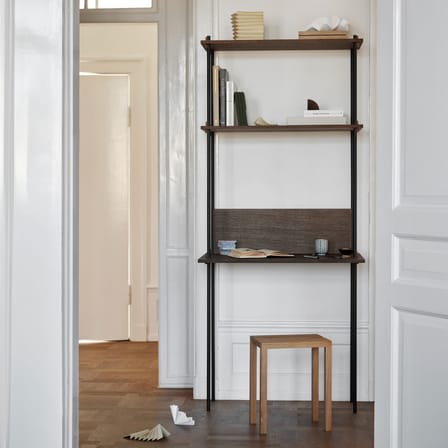
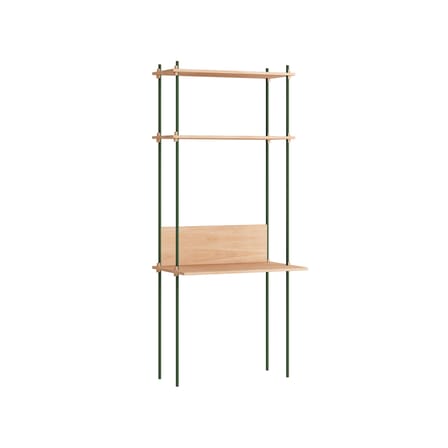
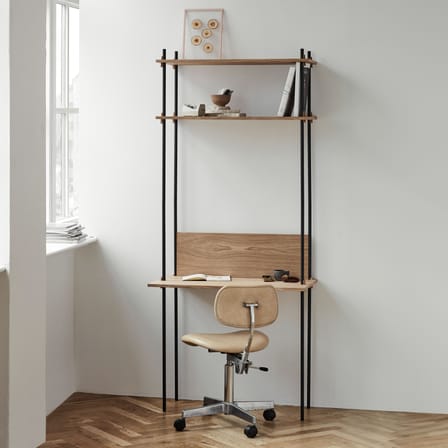
MOEBE Desk Shelving System – s.200.1.D wood / W 85 x H 200 x D 52 / 35 cm
Natural oak - Black more variations -
NOBODINOZ Growing Green Children's desk natural wood / 70 x 45 x H 50 cm
Natural oak more variations -
Hartô Gaston Wall writing desk wood grey / W 60 x H 72 cm
Dark grey & light grey more variations -
Hartô Gaston Wall writing desk grey natural wood / L 80 x H 72 cm
Light grey & Charcoal grey / Oak more variations -
Ferm Living Little Architect Children's desk wood beige / Wood - L 70 cm
Cashmere beige -
Hartô Gaston Wall writing desk wood green / W 80 x H 72 cm - Oak
Ash green & Sage / Oak more variations -
Ferm Living Slope Children table wood beige / Ø 71 x H 48 cm
Cashmere beige -
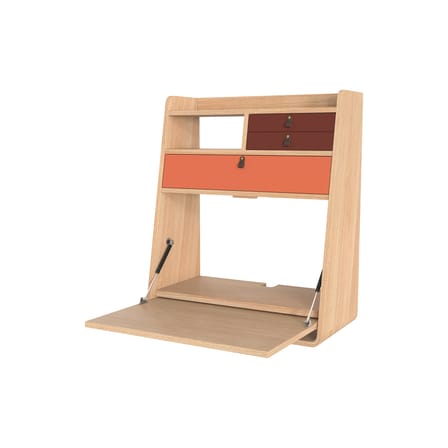
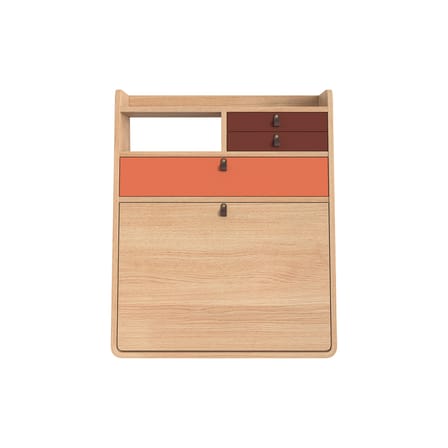
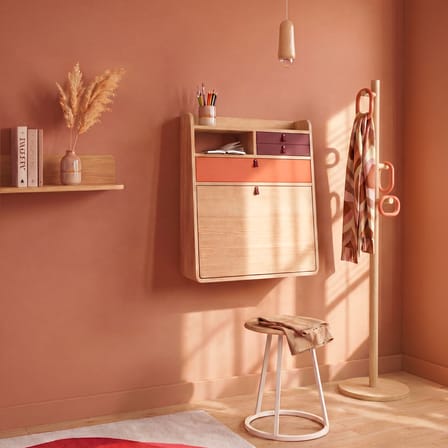
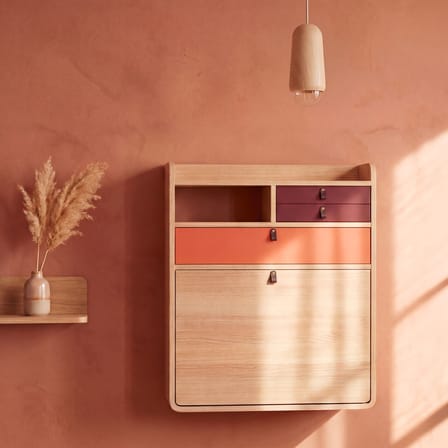
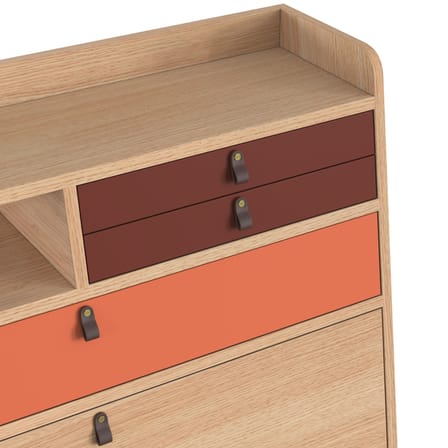
Hartô Gaston Wall writing desk wood orange / L 60 x H 72 cm
Spicy Coral & Burgundy / Natural oak more variations -
Hartô Gaston Wall writing desk wood green / L 80 x H 72 cm
Ash green & Sage green / Brown ash more variations -
Hartô Gaston Wall writing desk wood green / L 60 x H 72 cm
Ash green & Sage green / Brown ash more variations -
Ferm Living Little Architect Children table wood pink / 4 places - 76 x 55 cm
Pink more variations -
Hartô Gaston Wall writing desk wood brown / L 60 x H 72 cm
Slate-grey & light grey / Tinted oak more variations -
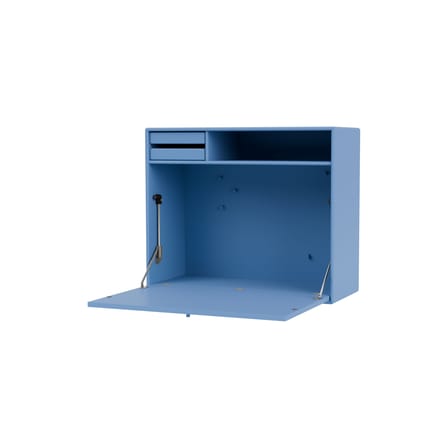
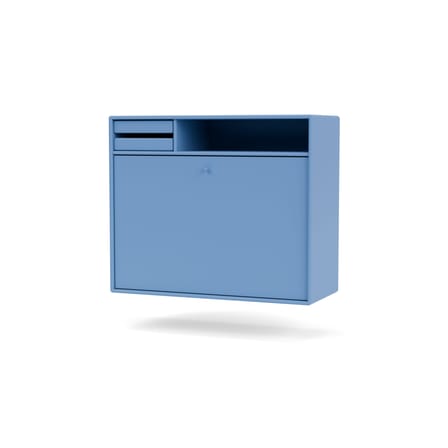
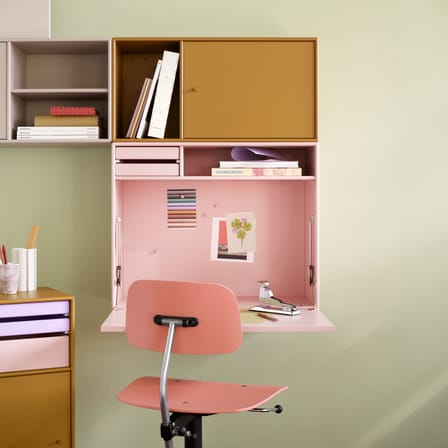
MONTANA Studio Wall writing desk wood blue / W 69.6 x H 58.2 cm
Azure 154 more variations -
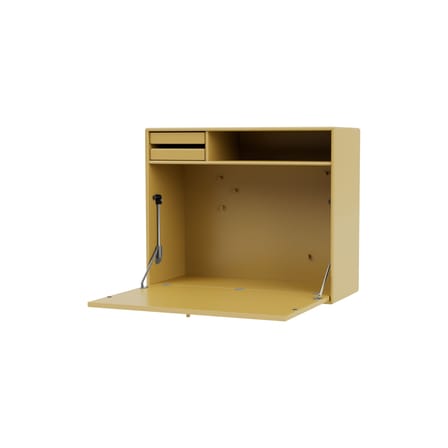
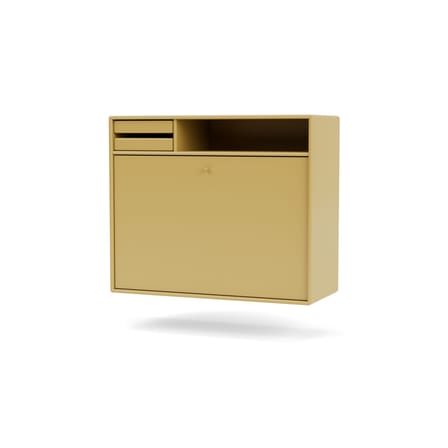
MONTANA Studio Wall writing desk wood yellow / W 69.6 x H 58.2 cm
Cumin 157 more variations -
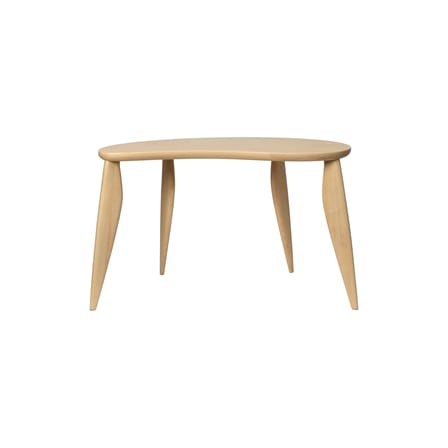
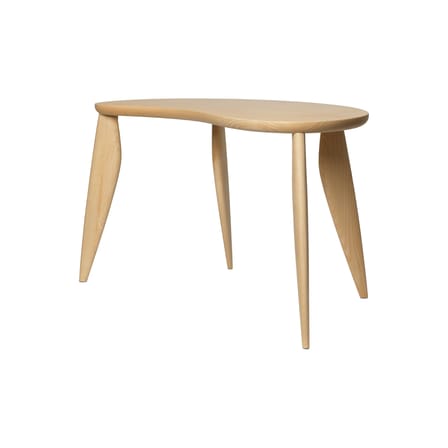
Ferm Living Feve Children's desk natural wood / 79 x 40 x H 48 cm
Natural Ashwood -
Magis Linus Children table plastic material wood white 120 cm x 75 cm
White more variations -
Hartô Gaston Wall writing desk wood orange / W 80 x H 72 cm
Spicy Coral & Burgundy / Natural oak more variations -
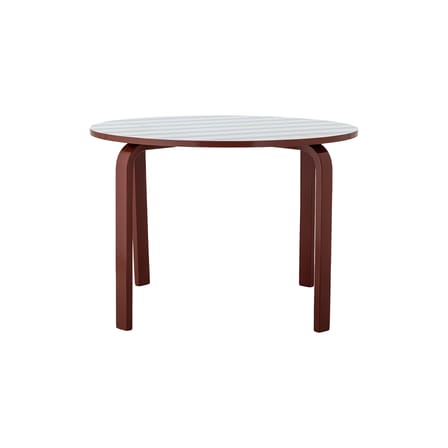
Bloomingville Liova Children table wood blue / Ø 65 x H 45 cm
Striped blue and brick red -
MOEBE Desk Shelving System – s.200.1.D wood / W 85 x H 200 x D 52 / 35 cm
Smoked oak - White more variations -
MONTANA Studio Wall writing desk wood grey / W 69.6 x H 58.2 cm
Fennel 144 more variations -
MONTANA Monterey Kids Children's desk wood grey / W 100 x D 60 x H 57 cm
Fennel 144 more variations -
eco design
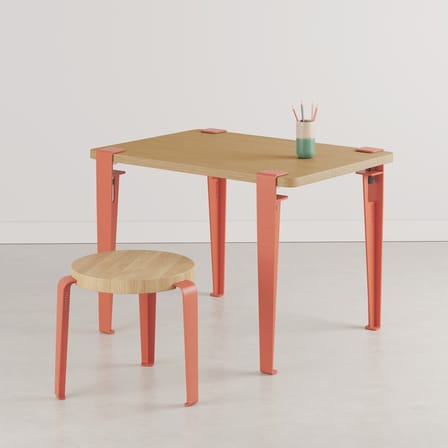
TIPTOE Children's desk wood pink / 70 x 50 cm - Oak
Oak - Flamingo pink more variations -
eco design
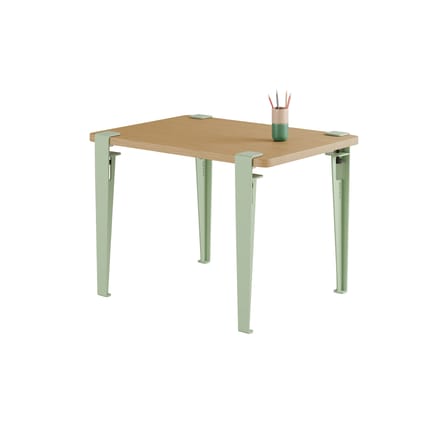
TIPTOE Children's desk wood green / 70 x 50 cm - Oak
Oak - Dino Green more variations -
eco design
TIPTOE Vice Versa Children's desk wood / 70 x 50 cm - Reversible Slate grey / Stratified
Black - White - Cream white more variations -
Magis Linus Children table plastic material wood white 75 cm x 55 cm
White more variations -
MOEBE Desk Shelving System – s.200.1.D wood / W 85 x H 200 x D 52 / 35 cm
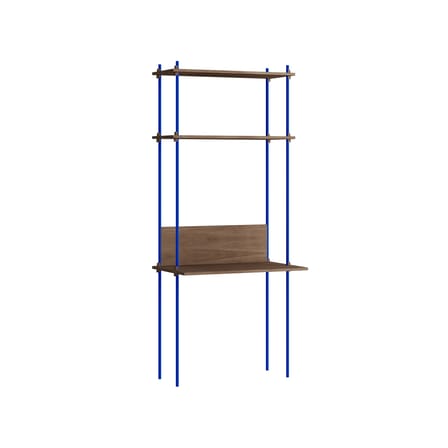
Smoked oak - Blue more variations -
MOEBE Desk Shelving System – s.200.1.D wood / W 85 x H 200 x D 52 / 35 cm
Natural oak - Green more variations -
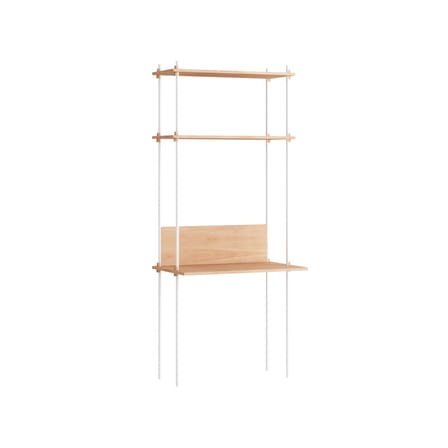
MOEBE Desk Shelving System – s.200.1.D wood / W 85 x H 200 x D 52 / 35 cm
Natural oak - White more variations -
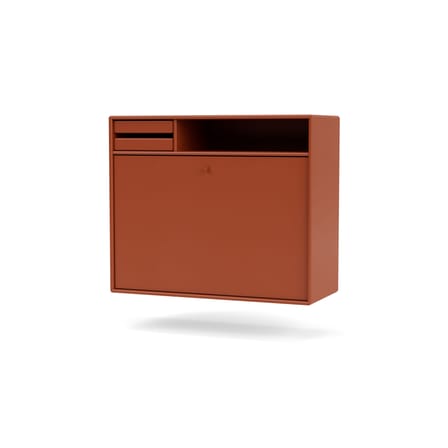
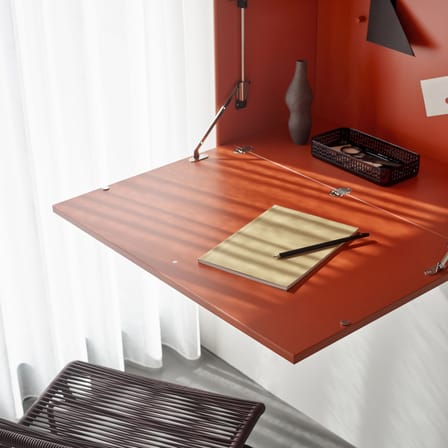
MONTANA Studio Wall writing desk wood orange / W 69.6 x H 58.2 cm
Hokkaido 162 more variations -
MONTANA Studio Wall writing desk wood purple / W 69.6 x H 58.2 cm
Iris 164 more variations -
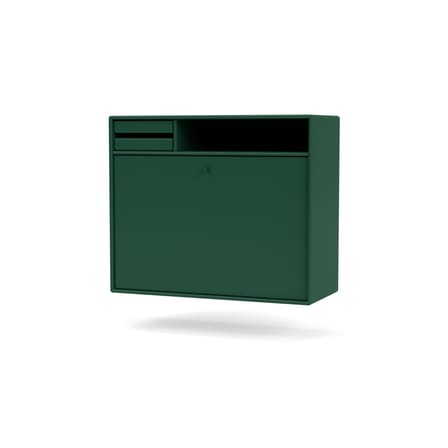
MONTANA Studio Wall writing desk wood green / W 69.6 x H 58.2 cm
Pine 136 more variations -
MONTANA Studio Wall writing desk wood green / W 69.6 x H 58.2 cm
Parsley 152 more variations -
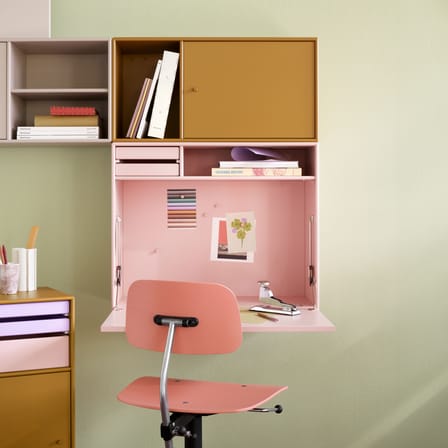
MONTANA Studio Wall writing desk wood pink / W 69.6 x H 58.2 cm
Rhubarb 151 more variations -
MONTANA Studio Wall writing desk wood blue / W 69.6 x H 58.2 cm
Monarch 135 more variations -
eco design
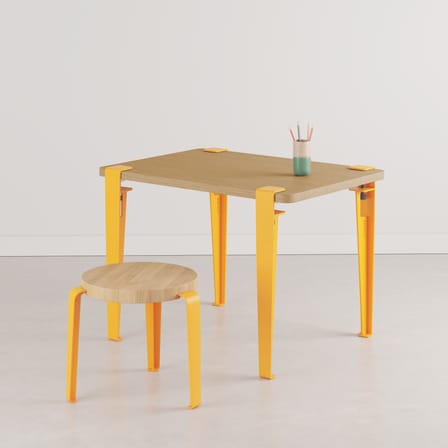
TIPTOE Children's desk wood yellow / 70 x 50 cm - Oak
Oak - Sunny yellow more variations















































Children's design desks and tables
Which design desks and tables should you choose for a child?
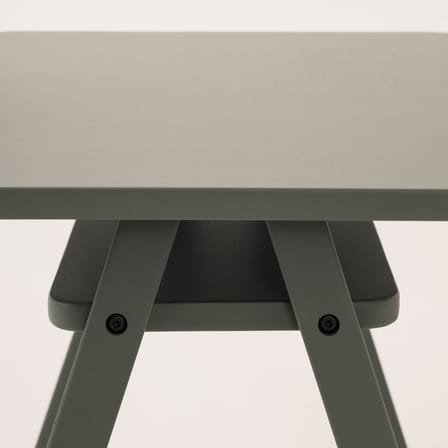
Children's design desks and tables stand out for their ability to combine comfort, functionality, and style. Far from standardized models, designers create formats adapted to children's morphology, with clean lines, durable materials, and careful attention to detail: rounded corners, integrated storage spaces, and soft-touch finishes. At Tip Toe, each desk is conceived as a growing companion—light, structured, and modular. Montana, meanwhile, dares bold, colorful silhouettes that turn the workspace into a true personal territory.
The key? Anticipate usage. For the early school years, a compact model at a child's height is more than enough. It's where they write, draw, and focus. Later on, a larger surface capable of holding notebooks, screens, or manuals becomes essential. And because a well-placed desk promotes concentration, choose a model that integrates elegantly into the room: against a wall, near a window, or centered within a space that feels uniquely theirs.
What is the best layout for children's design desks and tables in a bedroom?
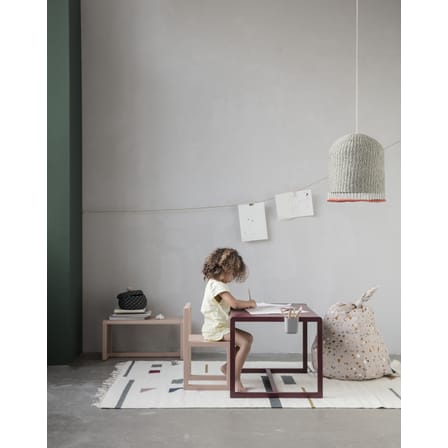
It's a question of angles, light… and daily use. Children's design desks and tables should find their place without dominating the space. Ideally, they are positioned near a window to benefit from natural light—but never with their back to the door: a workspace facing the entrance soothes the child, who feels safe and in control of their space.
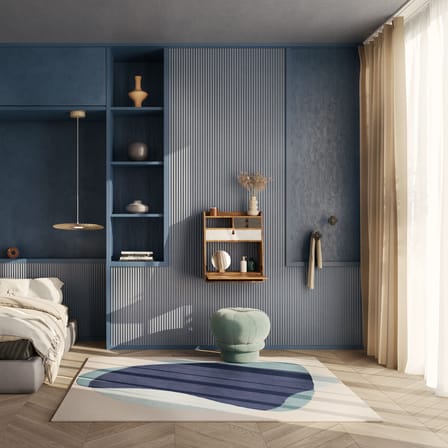
Keep the visual field clear. Avoid cluttered walls or low shelves overhead—this helps encourage concentration. In a small bedroom, a wall-mounted or shallow model optimizes space. Some adjustable desks can even be placed in the center of the room, becoming an island that inspires creativity.
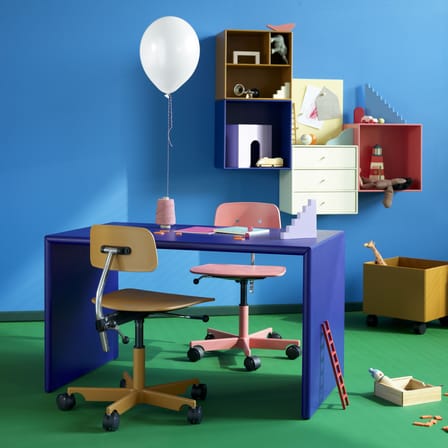
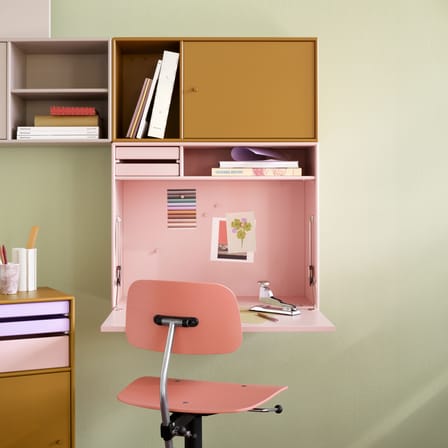
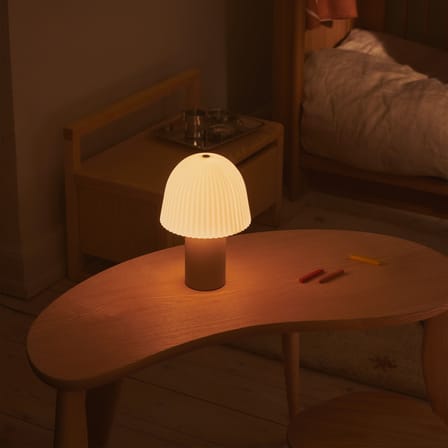
Around the desk, create a beautiful yet practical ecosystem: an ergonomic chair, an adjustable lamp, and open storage to foster independence. At Montana, each element seems to converse with the next; at Tip Toe, rounded lines create a reassuring cocoon.
The desk thus becomes a landmark: a place that reassures, structures, and makes them want to sit down day after day.
From what age does a child need a design desk and table?
As soon as gestures become more precise and drawing turns into a field of exploration, the children's design desk and table find their rightful place in the child's world. Around 3 or 4 years old, a small desk at their height—with soft lines and safe materials—invites them to manipulate, doodle, and invent. It's not yet about “studying,” but about having a personal space where the child experiments freely. The piece becomes a familiar surface, a reassuring reference they love to return to.
When starting primary school, the need for a real workstation becomes clearer. A comfortable chair, a stable tabletop, and a well-placed lamp are essential. It's also the time when they start organizing supplies and structuring quiet moments. Brands like Tip Toe and Montana understand this perfectly—their models gracefully support this transition.
Far from being a simple functional purchase, the introduction of a desk marks a milestone: the moment when a child begins to focus independently and take ownership of their environment. From that first desire, they deserve a desk designed to fit them—elegant, evolving, and inspiring. Furniture conceived to encourage exploration and creativity.