


Vitra
Swiss furniture maker Vitra has written the history of design, perpetuating the icons of the 20th century while pushing the boundaries of the contemporary.
-
eco design
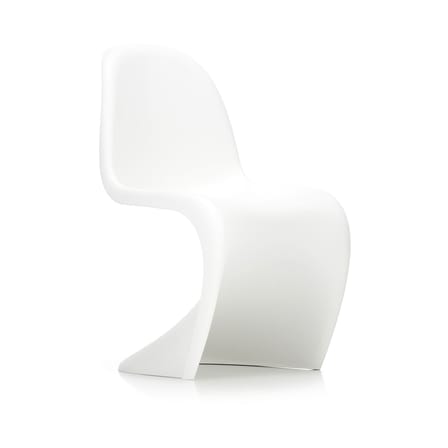
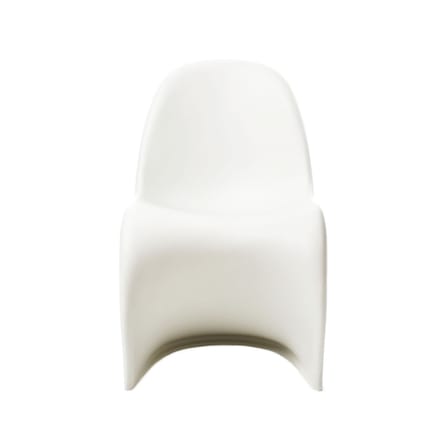
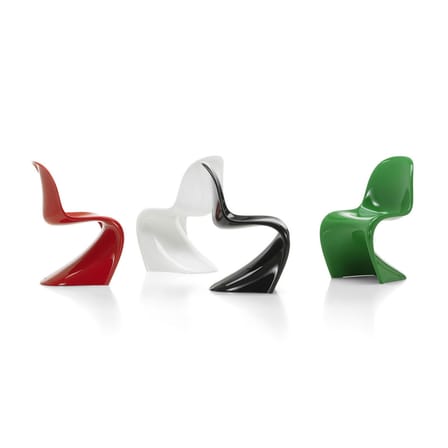
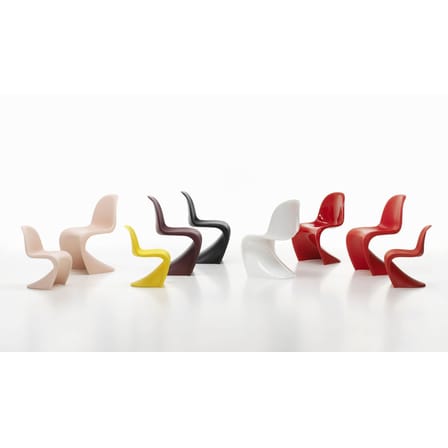
Vitra Panton Chair Chair plastic material / By Verner Panton, 1959 - Polypropylene
White more variations -
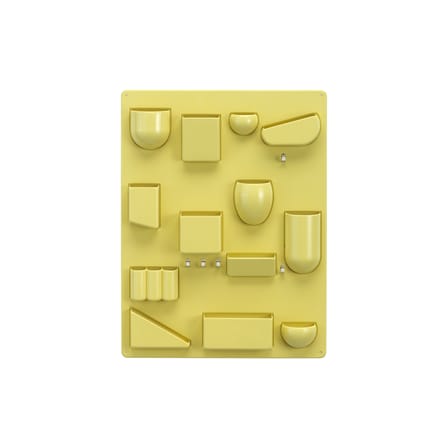
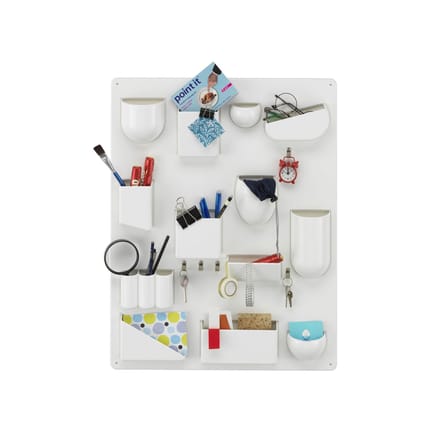
Vitra Uten.Silo II RE Wall storage plastic material / Recycled - Dorothee Becker (1970) - 52 x 68 cm
Lemon more variations -
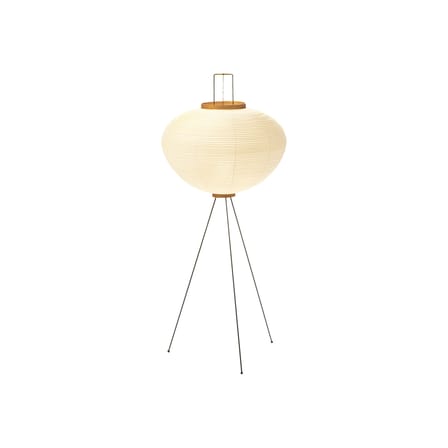
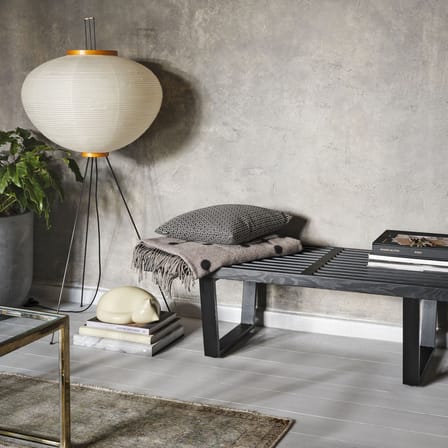
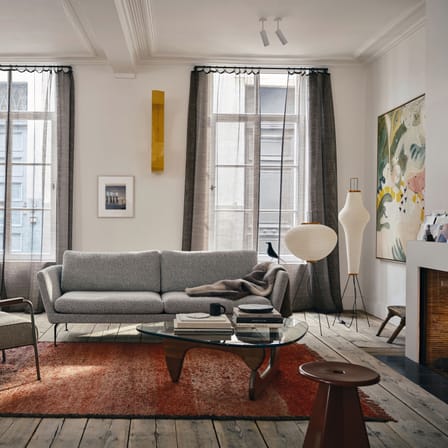
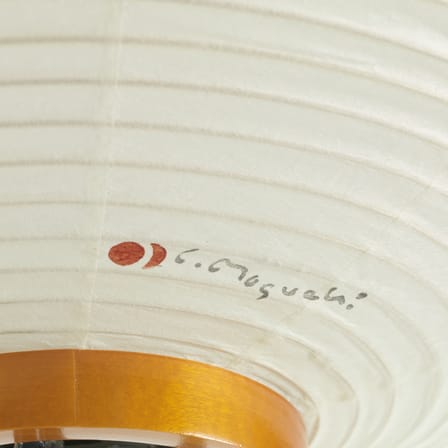
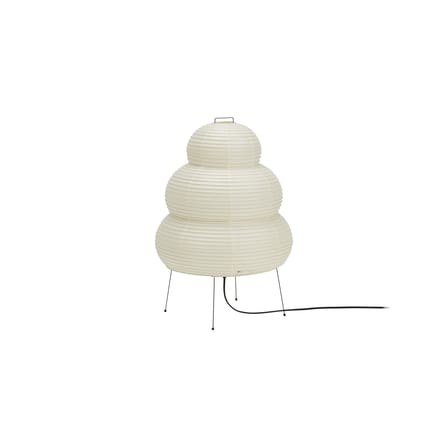
Vitra Akari 10A Floor lamp paper beige /Isamu Noguchi, 1951 - Ø 53 x H 123 cm
Beige -
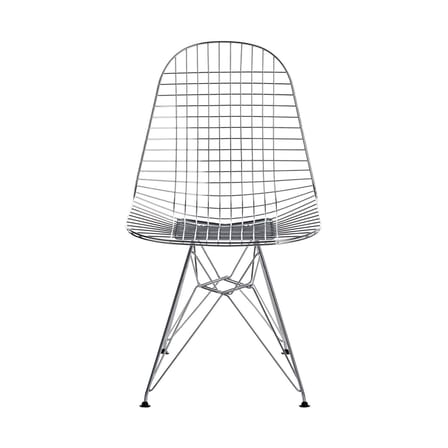
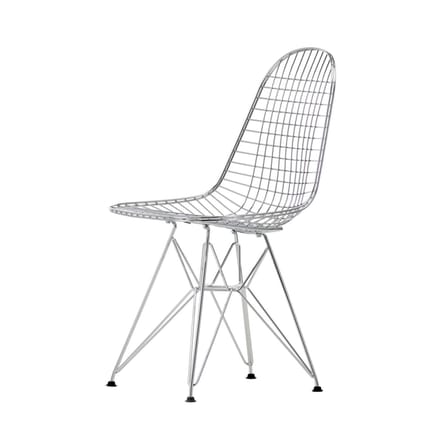
Vitra Wire Chair DKR Chair metal silver / By Charles & Ray Eames, 1951
Chromed (Black Furniture glides) more variations -
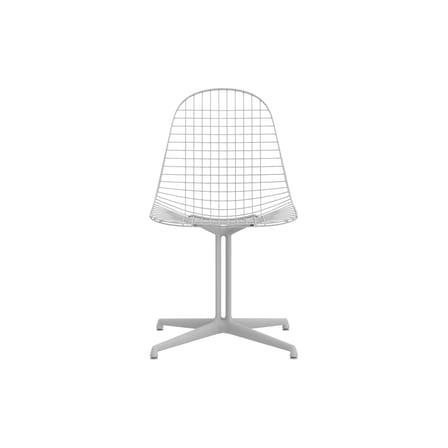
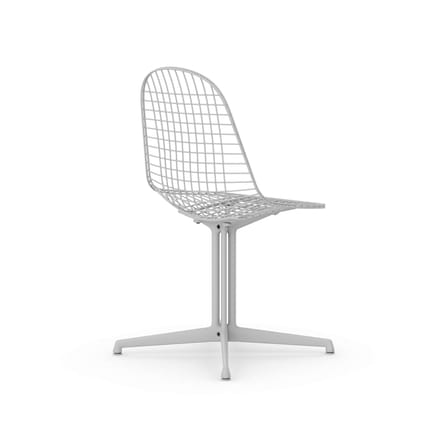
Vitra Wire Chair DKL Chair metal white / (1951) - Base La Fonda
White more variations -
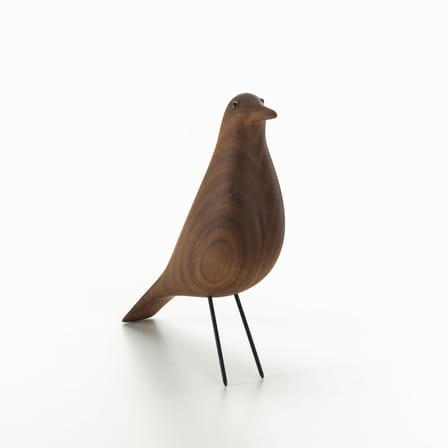
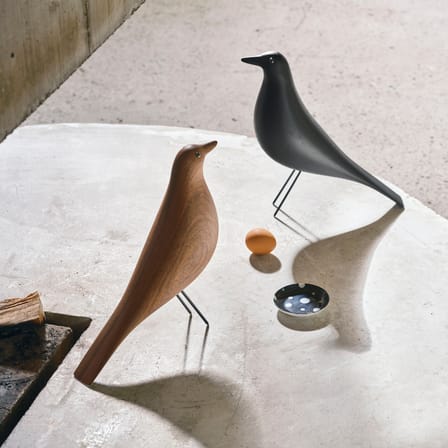
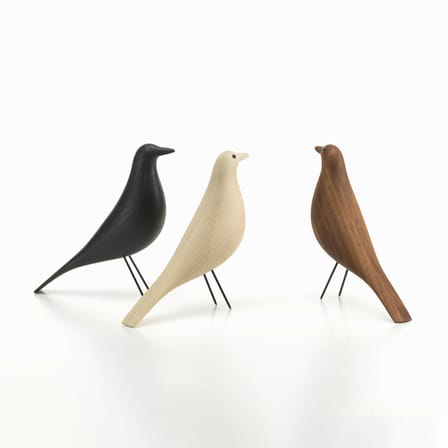
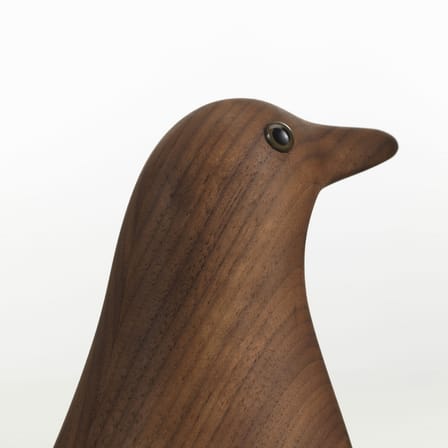
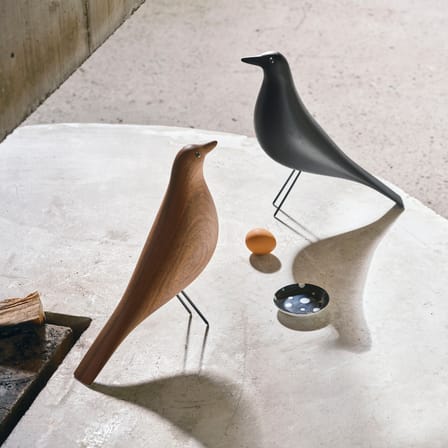
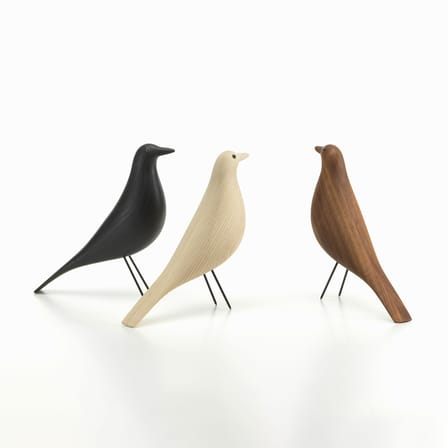
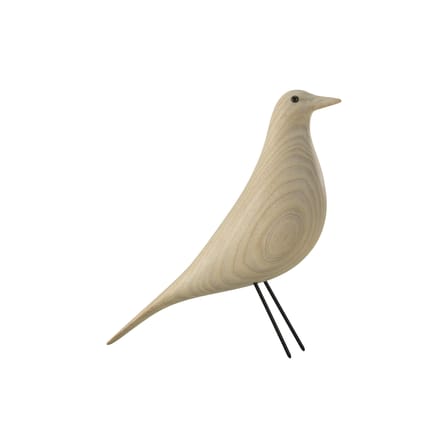
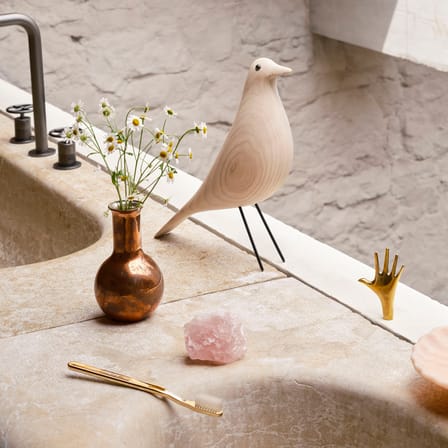
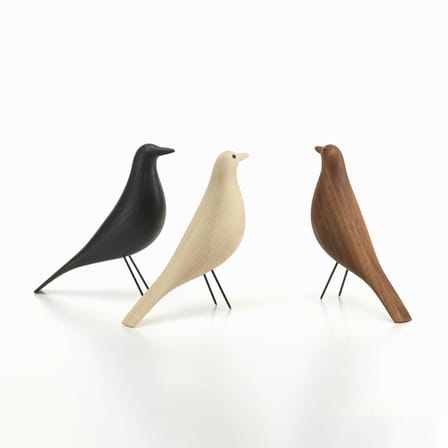
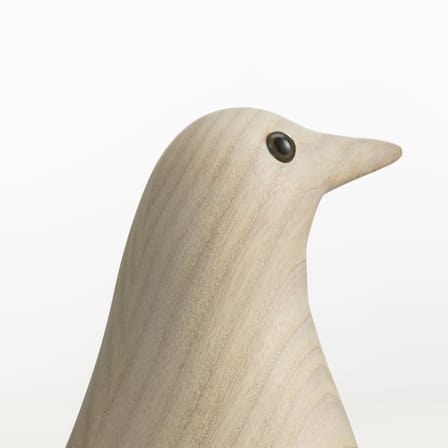
Vitra Eames House Bird Decoration wood brown
Dark walnut more variations -

-
eco design
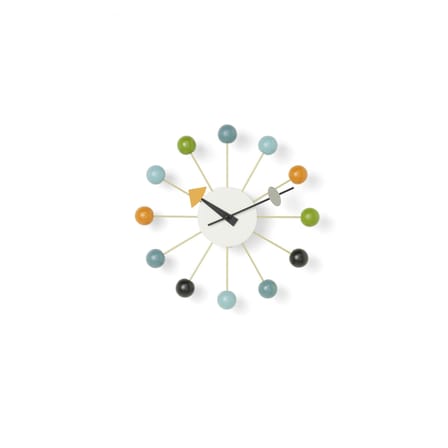
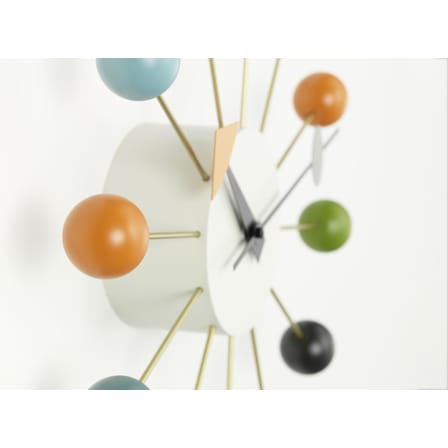
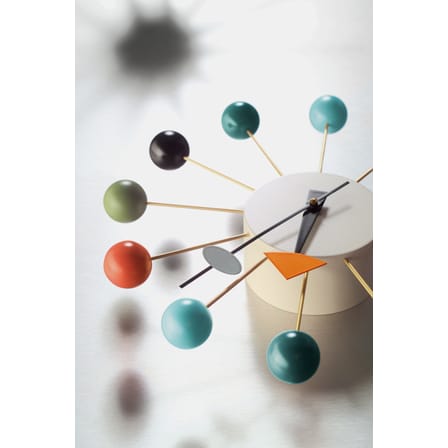
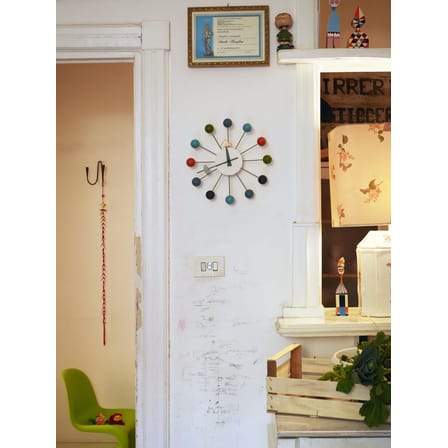
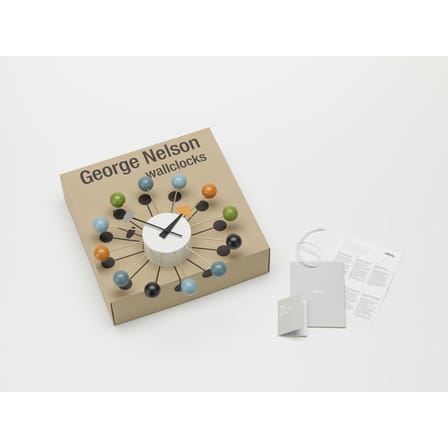
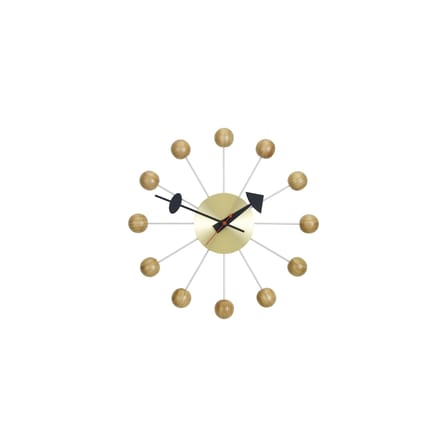
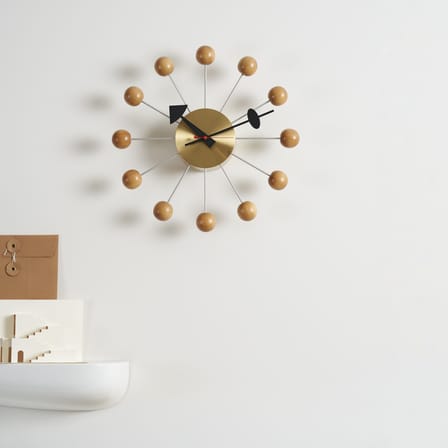
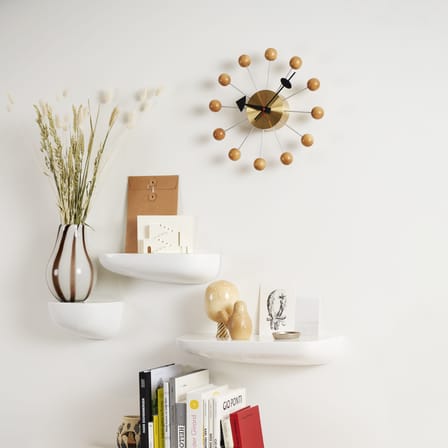
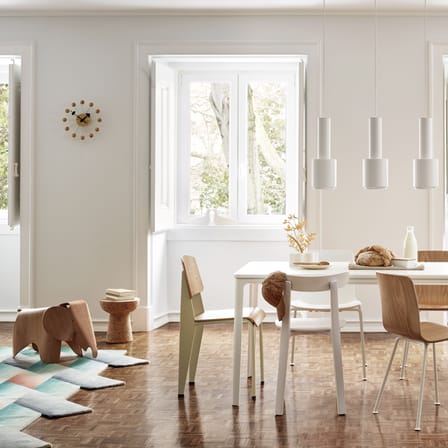
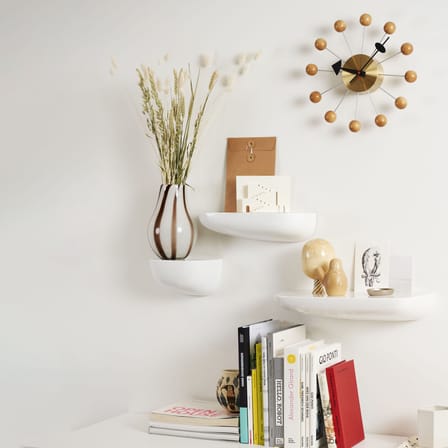
Vitra Wall clock Ball Clock wood / By George Nelson, 1948-1960 / Ø 33 cm
Multicoulered more variations -
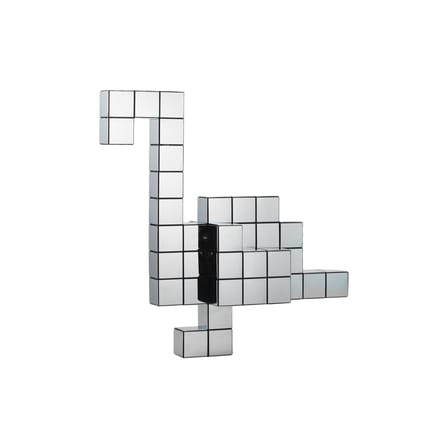
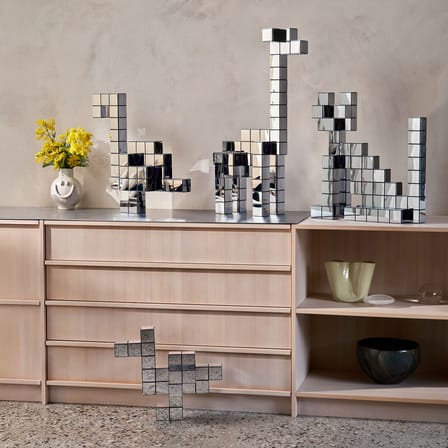
Vitra Panton Cubes Flamingo Decoration plastic material / Flamingo Kit - Verner Panton, 1974
Flamant / Chromed more variations -
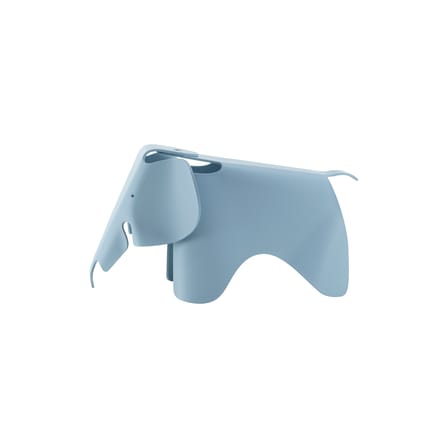
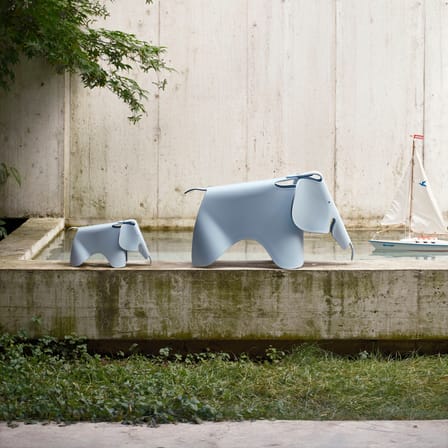
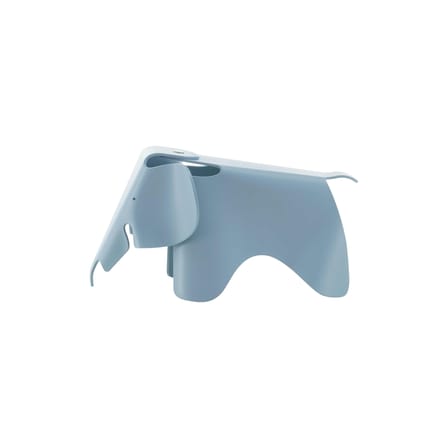
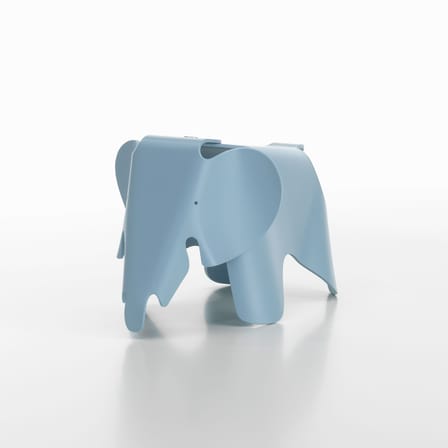
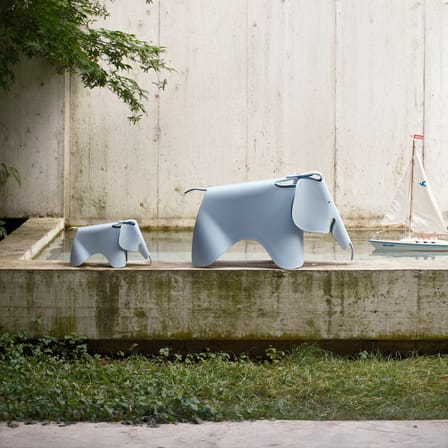
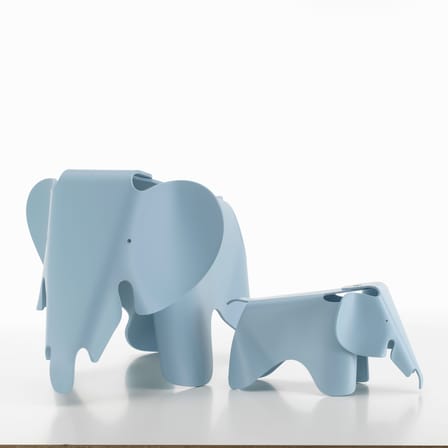
Vitra Eames Elephant RE (1945) Decoration plastic material / L 78.5 cm - Recycled plastic
Sky blue more variations -
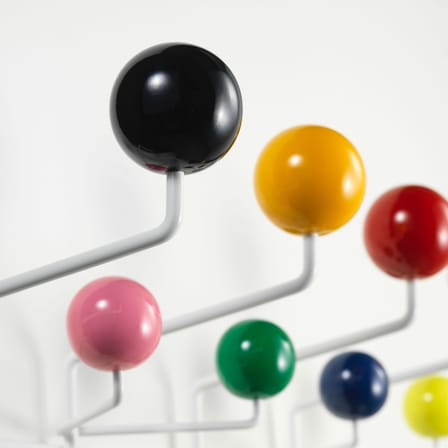
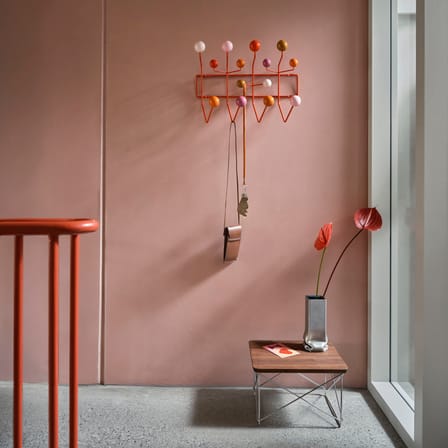
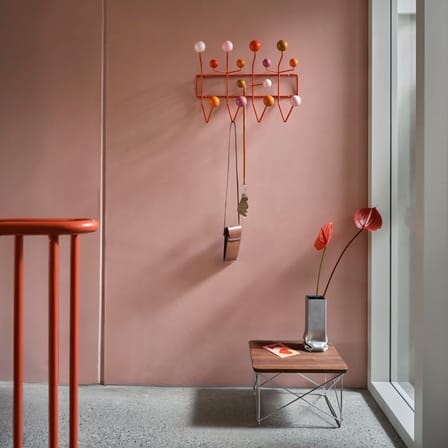
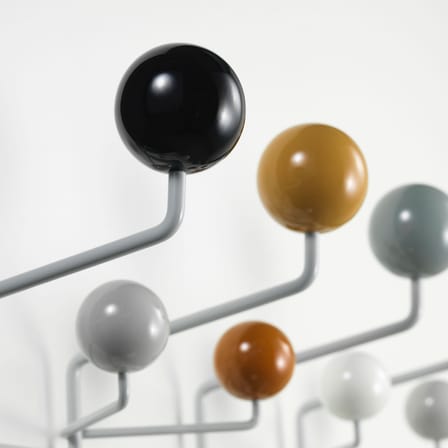
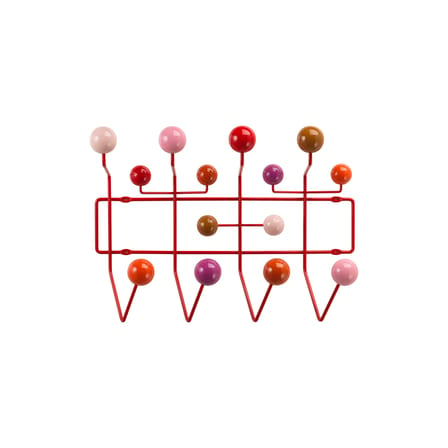
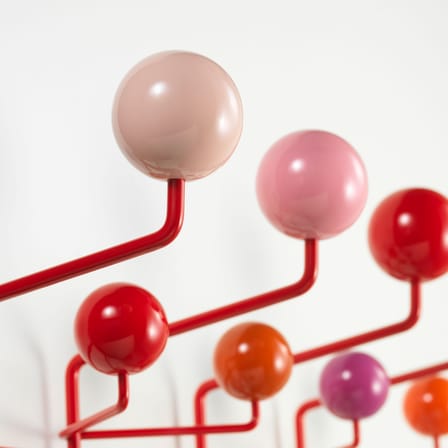
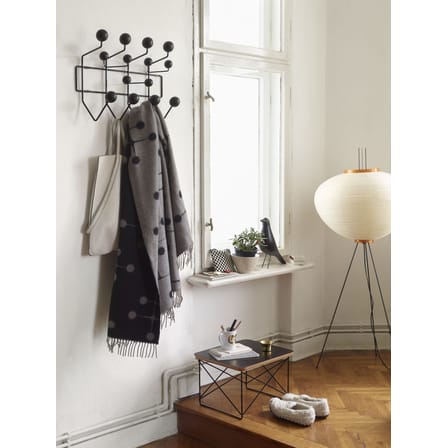
Vitra Hang it all Wall coat rack wood multicoloured / Eames (1953)
Multicoulered more variations -
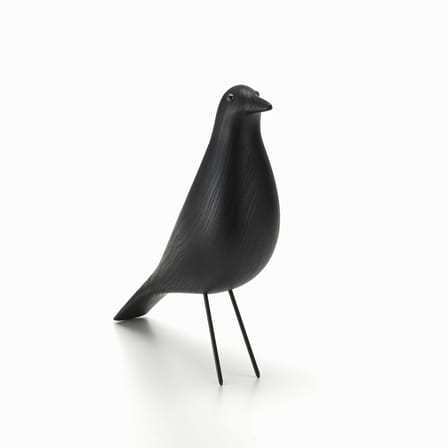
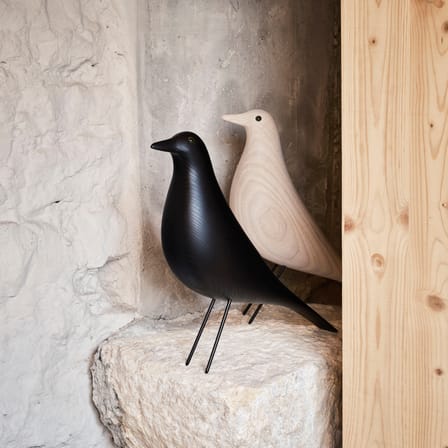
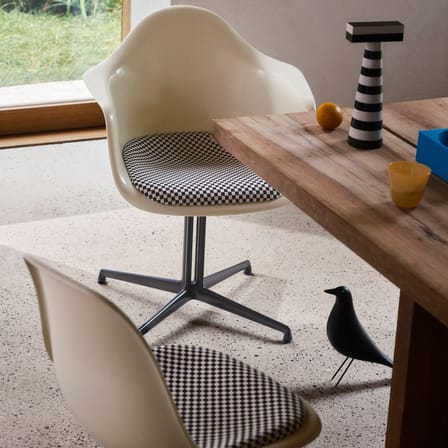
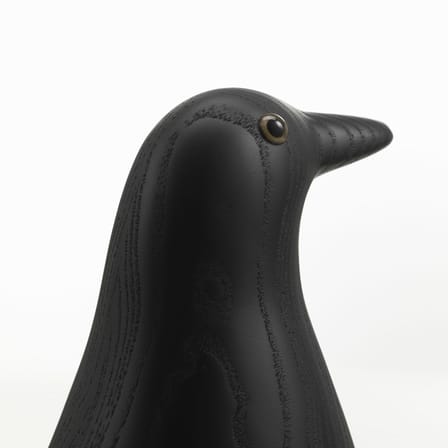
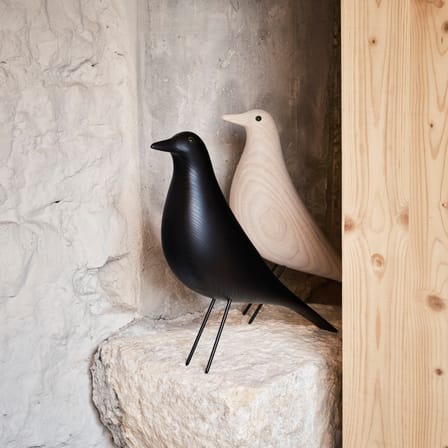
Vitra Eames House Bird Decoration wood black
Black ash more variations -
Vitra Eames Elephant RE (1945) Decoration plastic material / Small - L 39 cm / Recycled plastic
Sky blue more variations -
-
eco design
Vitra Uten.Silo II RE Wall storage plastic material / Recycled - Dorothee Becker (1970) - 52 x 68 cm
White more variations -
eco design
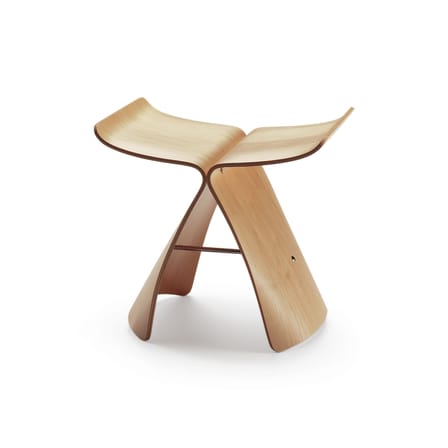
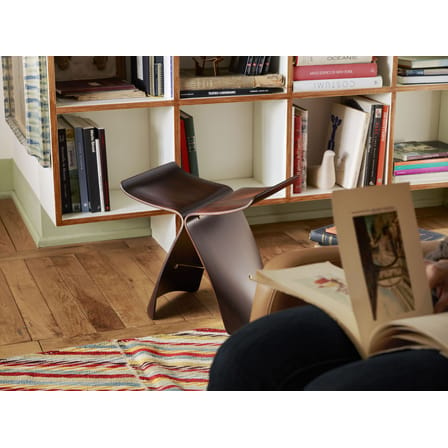
Vitra Butterfly Stool Stool natural wood / By Sori Yanagi, 1954
Natural maple -
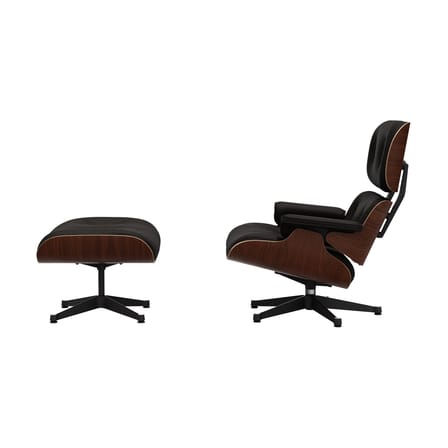
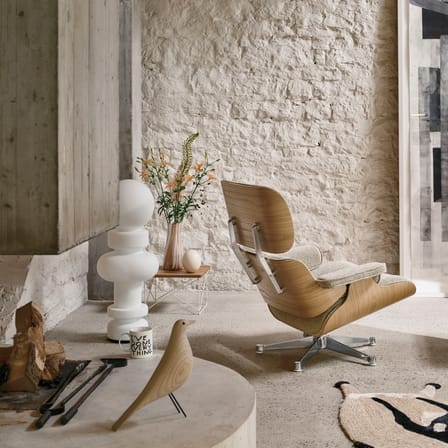
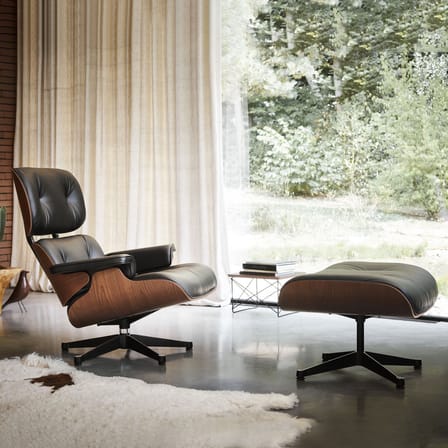
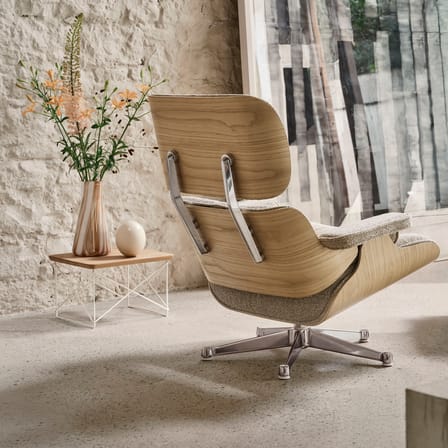
Vitra Lounge Chair & Ottoman Set armchair & footrest leather / Eames (1956)
Dark walnut - Chocolate more variations -
Vitra Eames Elephant RE (1945) Decoration plastic material / Small - L 39 cm / Recycled plastic
Soft Pink more variations -
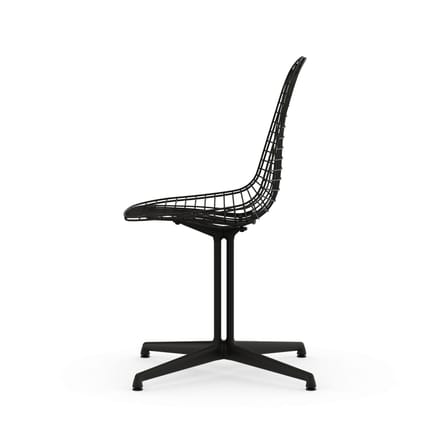
Vitra Wire Chair DKL Chair metal black / (1951) - Base La Fonda
Black more variations -
eco design
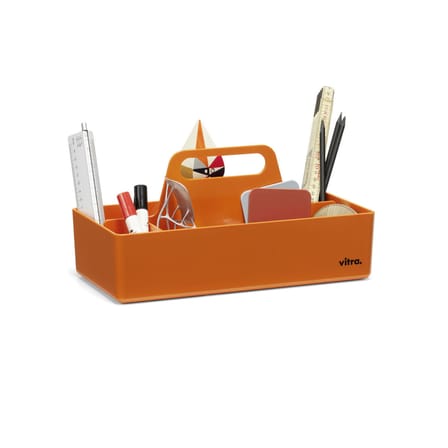
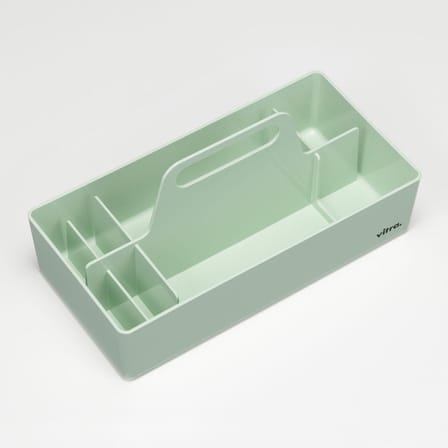
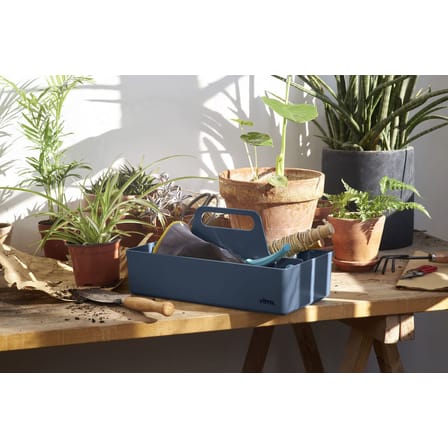
Vitra Storage box Toolbox RE plastic material / Recycled - Compartmentalised / 32 x 16 cm
Mandarine more variations -
eco design
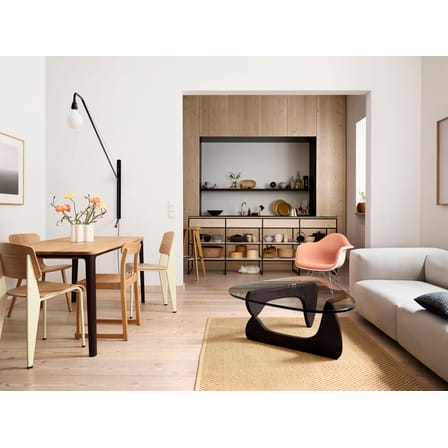
Vitra Noguchi Coffee Table Coffee table glass / By Isamu Noguchi (1944) / 128 x 93 cm
Transparent - Walnut more variations -
Vitra Eames Elephant RE (1945) Decoration plastic material / Small - L 39 cm / Recycled plastic
Red-orange more variations -
eco design
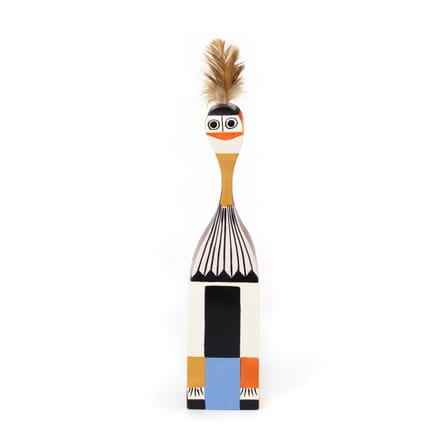
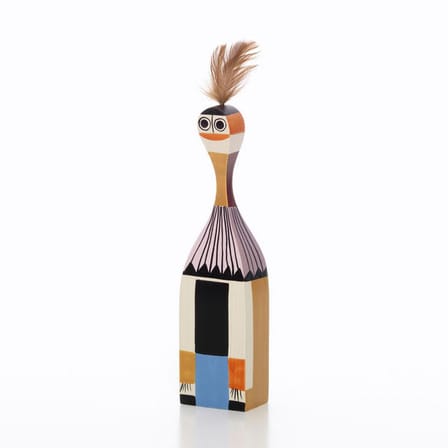
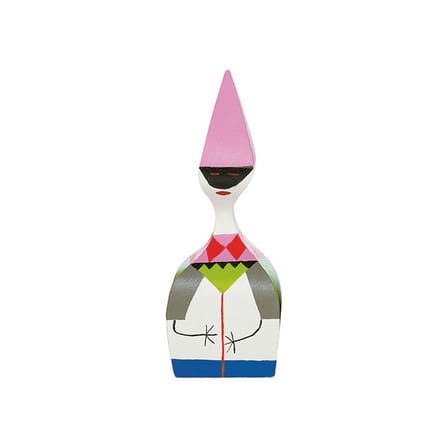
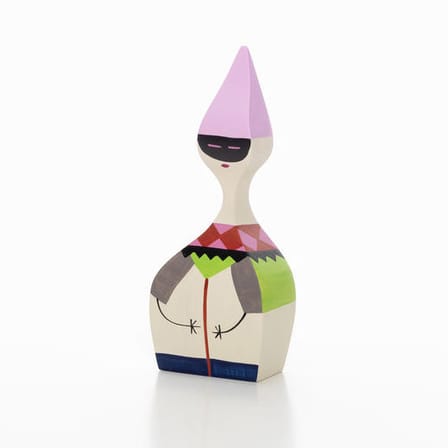
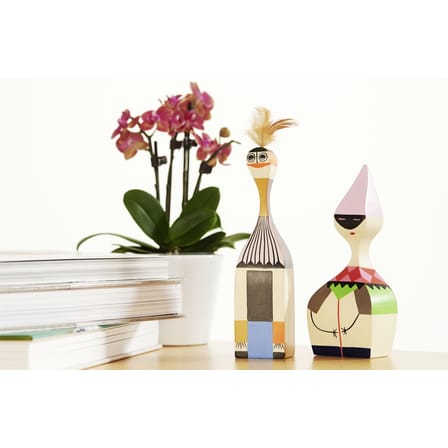
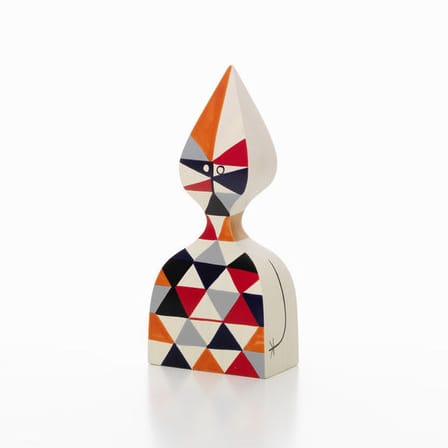
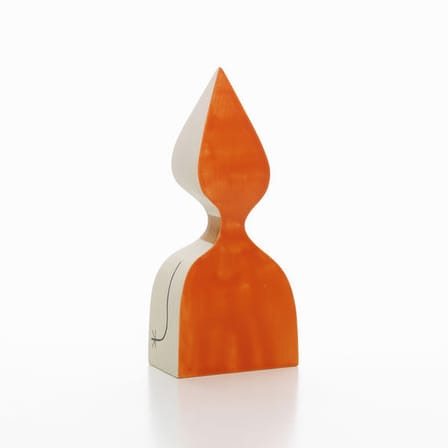
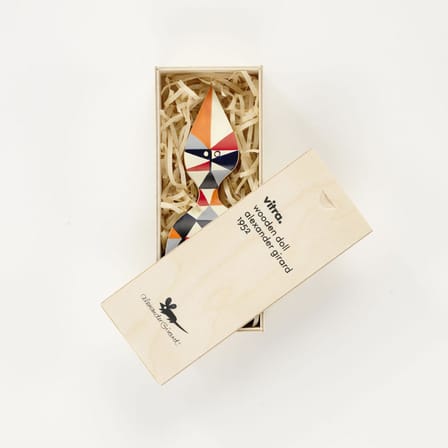
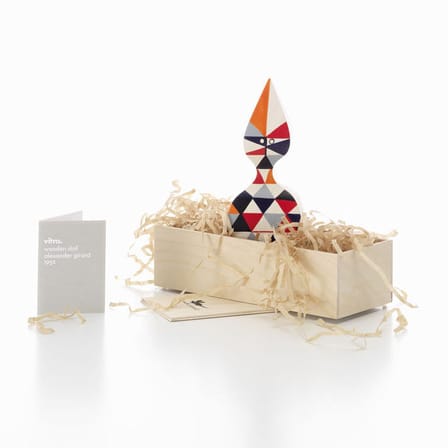
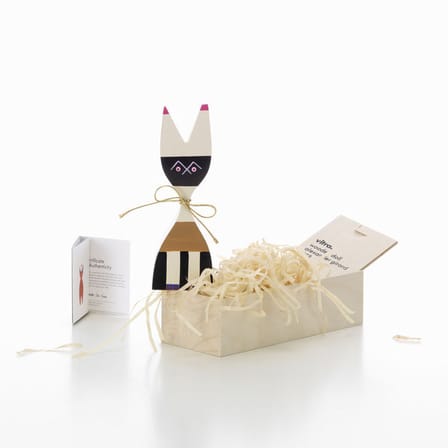
Vitra Decoration Wooden Dolls - No. 1 wood / By Alexander Girard, 1952
Multicoulered more variations -
eco design
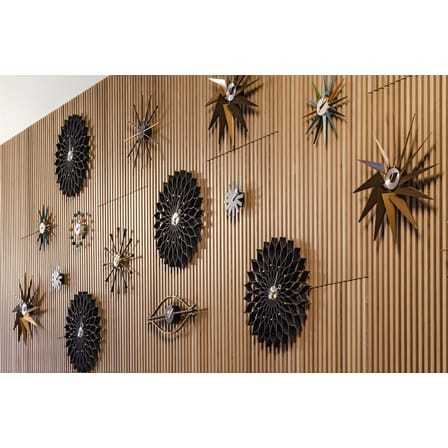
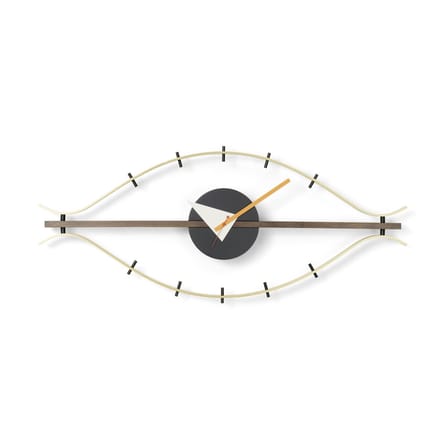
Vitra Eye Clock Clock gold metal / By George Nelson, 1948-1960 / L 76 cm
Brass, Walnut, Black -
eco design
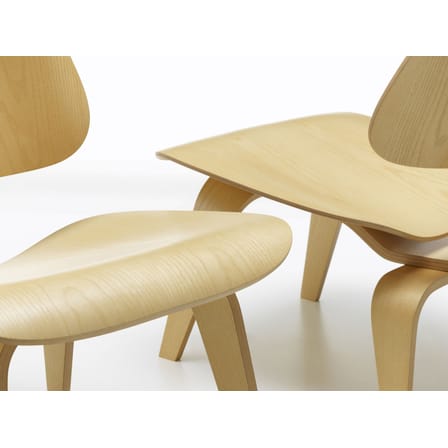
Vitra Low armchair Plywood Group LCW wood / By Charles & Ray Eames, 1945
Natural ash more variations -
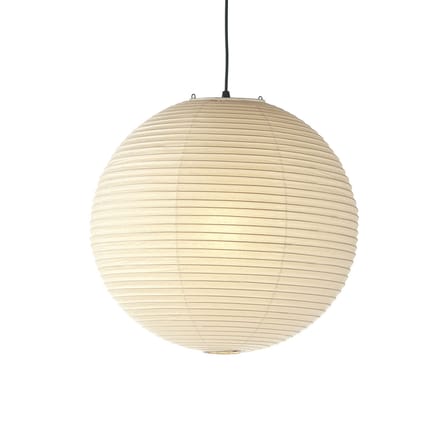
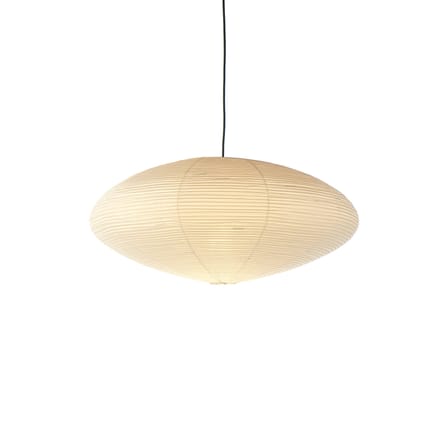
Vitra Akari 55A Pendant paper beige /Isamu Noguchi, 1951 - Ø 55 cm
Ø 55 cm / Beige more variations -
eco design
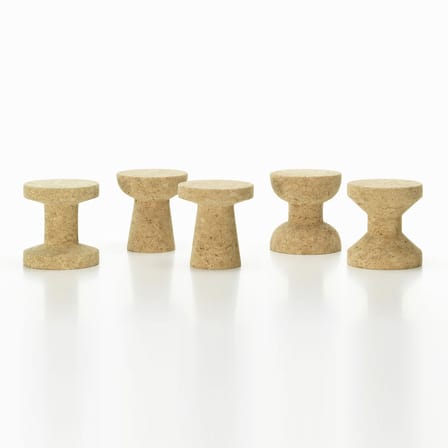
Vitra Stool Cork Family - Modèle A cork / Cork - Jasper Morrison, 2004
Model A more variations -
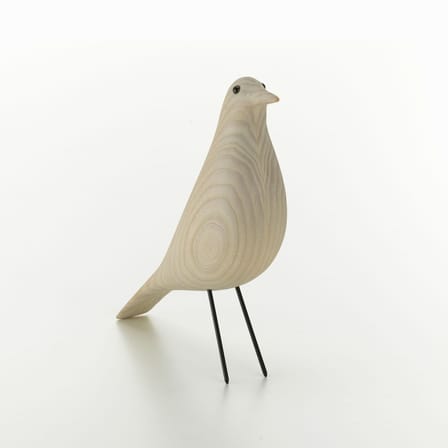
Vitra Eames House Bird Decoration wood white
Cotton White Ash more variations -
eco design
Vitra Tray Rotary Tray plastic material / Trinket tray - ABS / Small swivel tray
White more variations -
Vitra Eames Elephant RE (1945) Decoration plastic material / Small - L 39 cm / Recycled plastic
Canary Yellow more variations -
Vitra Eames Elephant RE (1945) Decoration plastic material / Small - L 39 cm / Recycled plastic
White more variations -
Vitra Eames Elephant RE (1945) Decoration plastic material / Small - L 39 cm / Recycled plastic
Emerald green more variations -
eco design
Vitra Panton Chair Classic Chair plastic material / By Verner Panton, 1959 - Rigid polyurethane foam
Red more variations -
eco design
Vitra Desk Eames Desk Unit EDU metal wood / Eames, 1949 - L 152.5 cm
Multicoloured & wood -
eco design
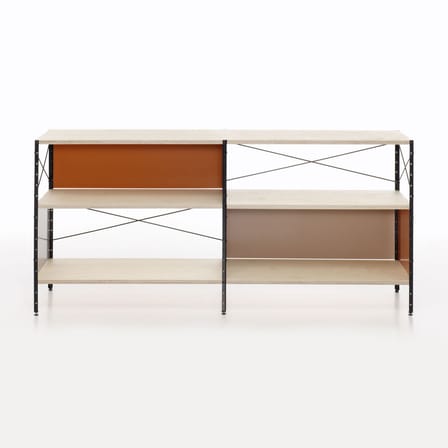
Vitra Shelf Eames Storage Unit ESU metal wood / 2 levels - L 179,5 x H 82 cm
2 levels / Multicoloured & wood -
4th offered
eco design
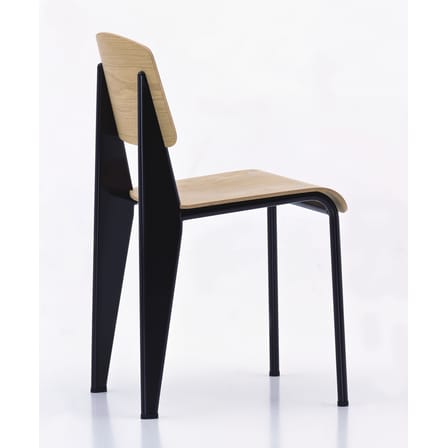
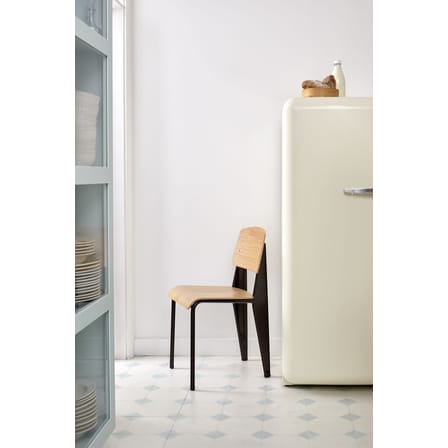
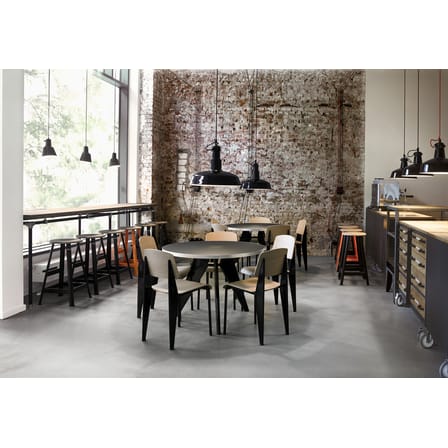
Vitra Standard Chair natural wood / By Jean prouvé, 1934 - Metal & wood
Black - Natural oak more variations -
eco design
Vitra Clock Star Clock metal / By George Nelson, 1948-1960 / Ø 61 cm
Chrome, brass & black -
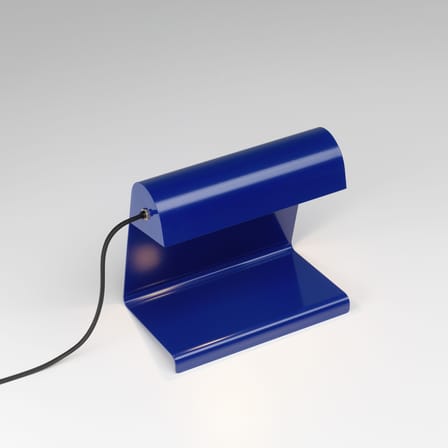
Vitra Lampe de bureau Table lamp metal blue / Jean Prouvé, 1930
Marcoule blue more variations -
Vitra Akari 1A Table lamp paper beige /Isamu Noguchi, 1951 - Ø 25 x H 43 cm
Beige / solid more variations -
Vitra Akari 24N Table lamp paper beige /Isamu Noguchi, 1951 - Ø 40 x H 58 cm
Beige -
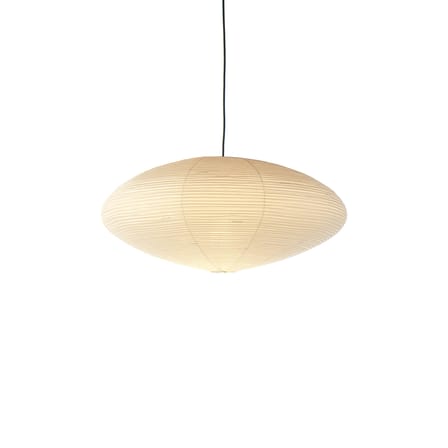
Vitra Akari 21A Pendant paper beige /Isamu Noguchi, 1951 - Ø 65 x H 28 cm
Ø 65 cm / Beige more variations -
Vitra Decoration Eames Elephant (1945) wood / L 78.5 cm - Plywood / Limited edition
Dark green more variations -
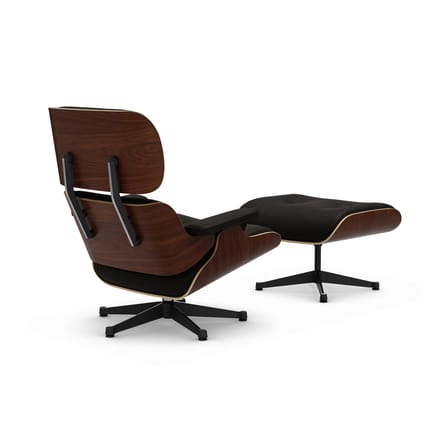
Vitra Lounge Chair & Ottoman Set armchair & footrest leather / Eames, 1956 - Cherry tree
Black - Polished aluminium - Cherrywood more variations -
Vitra Wall clock Ball Clock wood / By George Nelson, 1948-1960 / Ø 33 cm
Brass - Natural cherry tree more variations -
eco design
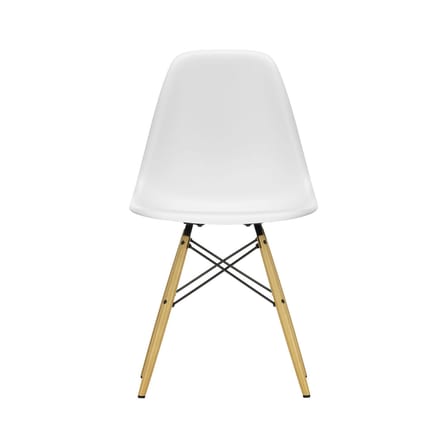
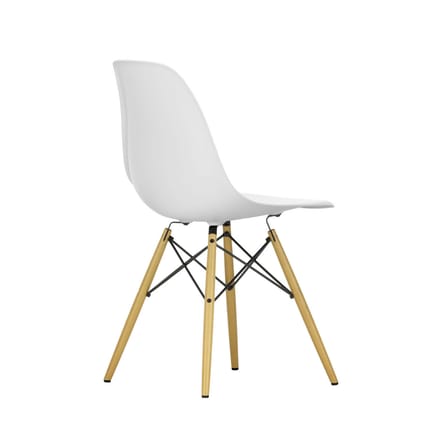
Vitra RE DSW - Eames Plastic Side Chair Chair plastic material / (1950) - Base, legs Light wood / Recycled wood
Cotton white - Yellow Maple more variations -
Vitra Eames Elephant RE (1945) Decoration plastic material / L 78.5 cm - Recycled plastic
Dark Black more variations -
Vitra Eames Elephant RE (1945) Decoration plastic material / L 78.5 cm - Recycled plastic
Soft Pink more variations -
Vitra Eames Elephant (1945) Decoration wood brown / L 78.5 cm - Plywood
Walnut more variations -
Vitra Eames Elephant (1945) Decoration natural wood / L 78.5 cm - Plywood
Chestnut more variations -
Vitra Eames Elephant RE (1945) Decoration plastic material / L 78.5 cm - Recycled plastic
Red-orange more variations -
Vitra Eames Elephant RE (1945) Decoration plastic material / Small - L 39 cm / Recycled plastic
Dark Black more variations -
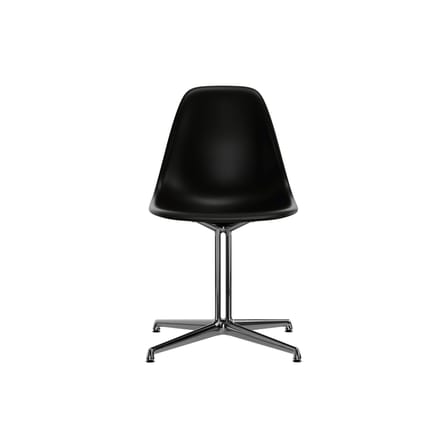
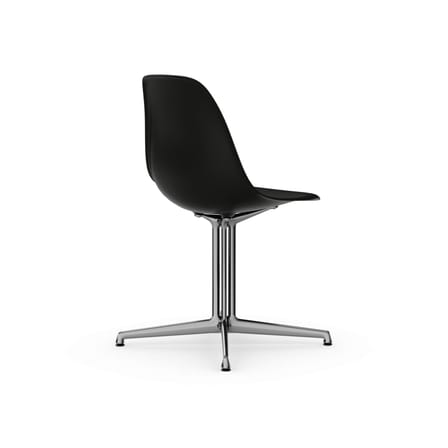
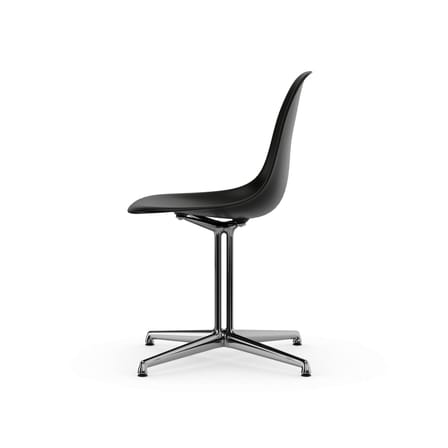
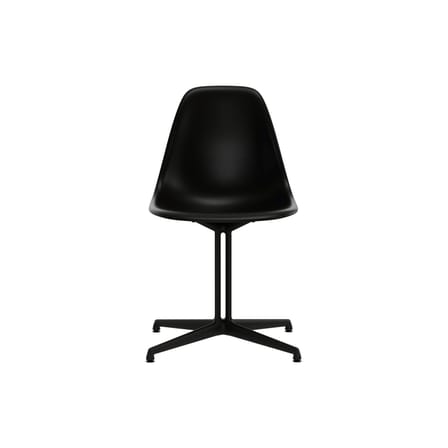
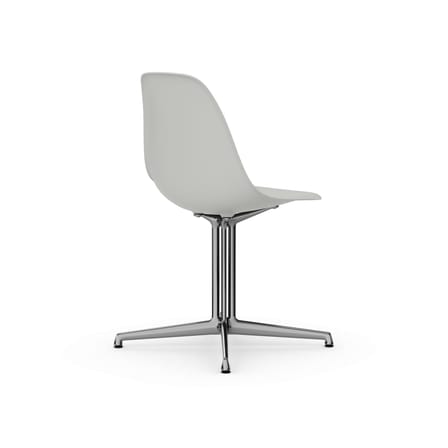
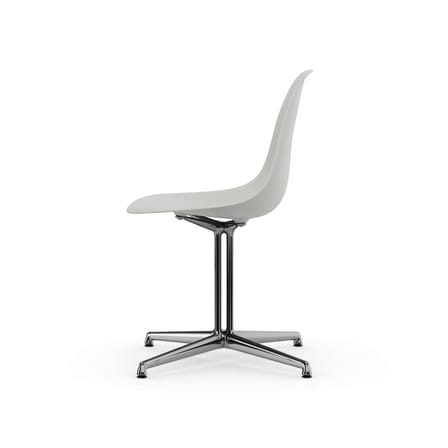
Vitra RE DSL - Eames Plastic Side Chair Chair plastic material / (1950) - Base La Fonda / Recycled
Dark Black - Polished more variations -
Vitra RE DSL - Eames Plastic Side Chair Chair plastic material / (1950) - Base La Fonda / Recycled
Dark Black - Black more variations -
Vitra RE DSL - Eames Plastic Side Chair Chair plastic material / (1950) - Base La Fonda / Recycled
Cotton white - Polished more variations -
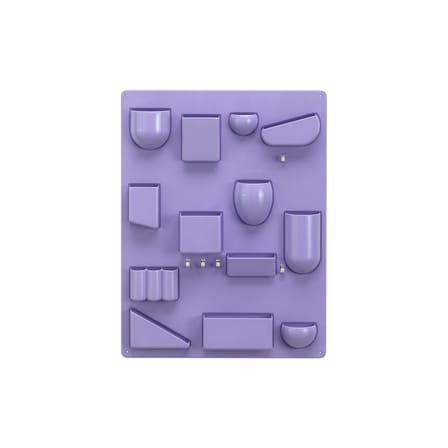
Vitra Uten.Silo II RE Wall storage plastic material / Recycled - Dorothee Becker (1970) - 52 x 68 cm
Lilac more variations -
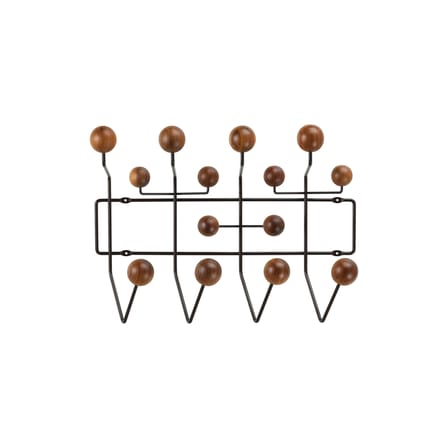
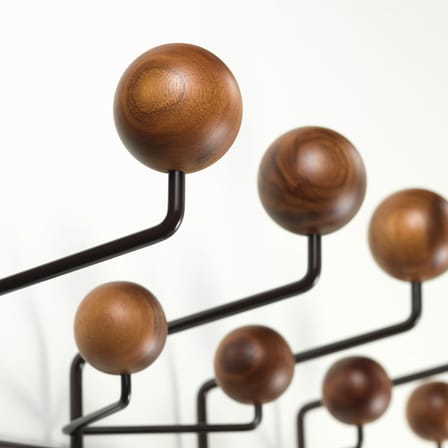
Vitra Hang it all Wall coat rack wood brown / Eames (1953)
Natural walnut more variations -
Vitra Hang it all Wall coat rack wood multicoloured / Eames (1953)
Neutral Tones more variations -
eco design
Vitra Clock Sunburst Clock wood / By George Nelson, 1948-1960 / Ø 47 cm
Dark walnut more variations -
Vitra Akari 1AD Table lamp paper beige /Isamu Noguchi, 1951 - Ø 25 x H 43 cm
Beige / brown pattern more variations -
Vitra Akari 26A Pendant paper beige /Isamu Noguchi, 1951 - Ø 45 x H 25 cm
Ø 45 cm / Beige more variations -
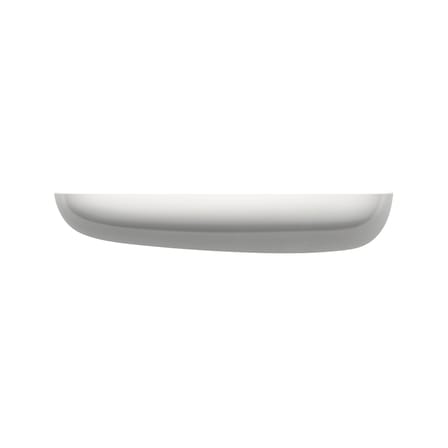
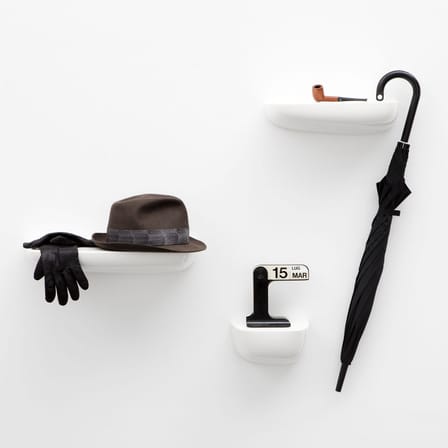
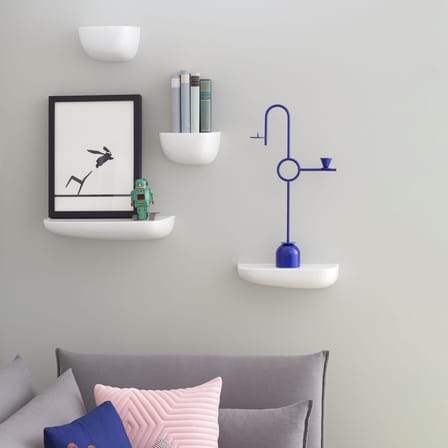
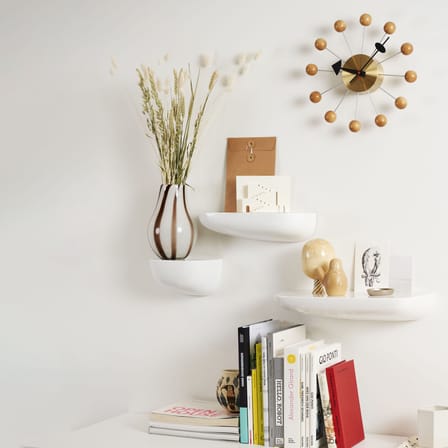
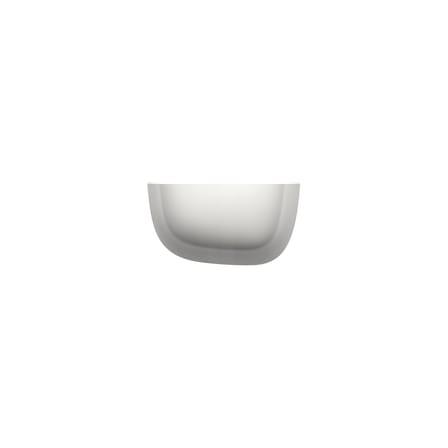
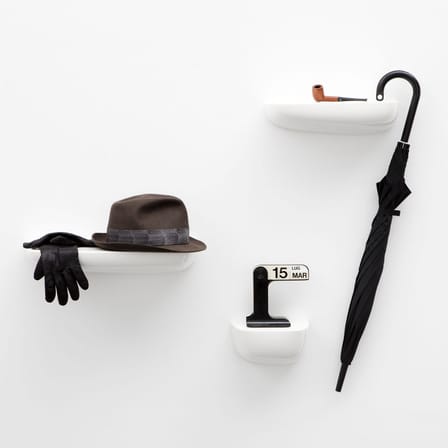
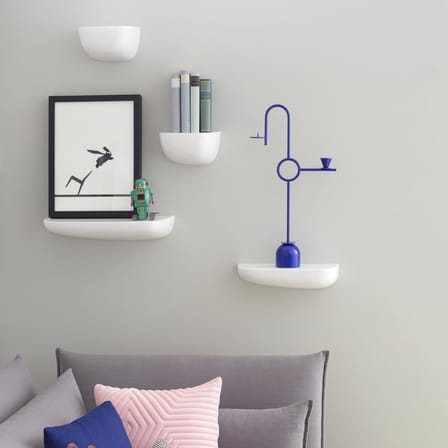
Vitra Wall shelf Corniche Large plastic material / L 45.5 cm - Bouroullec, 2012
White more variations -
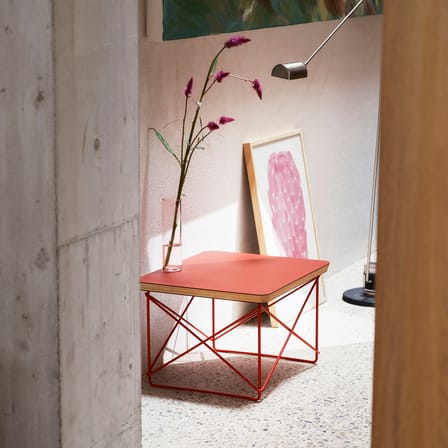
Vitra Occasional Table LTR End table wood black / Eames (1950)
Black - Steel more variations -
Vitra Hang it all Wall coat rack wood red / Eames (1953)
Warm tones more variations -
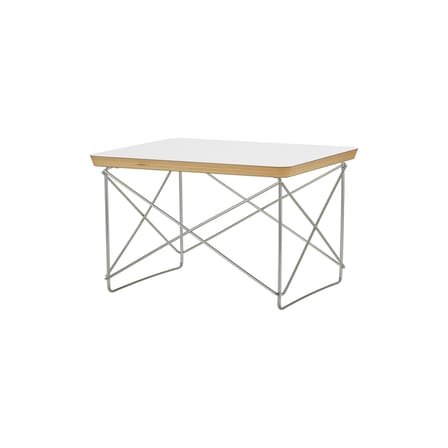
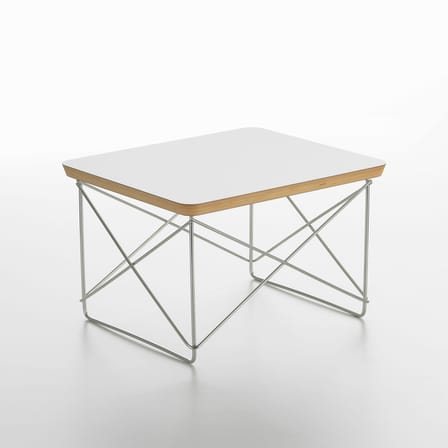
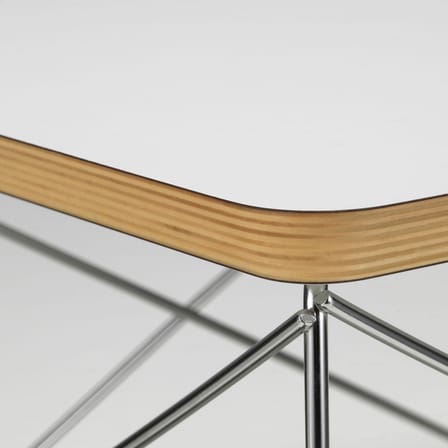
Vitra Occasional Table LTR End table wood white / Eames (1950)
White - Steel more variations -
eco design
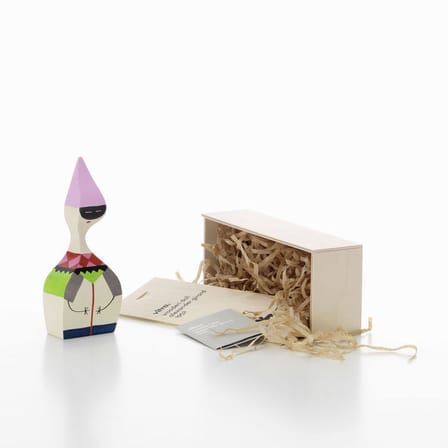
Vitra Decoration Wooden Dolls - No. 6 wood / By Alexander Girard, 1952
Multicoulered more variations -
eco design
Vitra Decoration Wooden Dolls - No. 12 wood / By Alexander Girard, 1952
Multicoulered more variations -
eco design
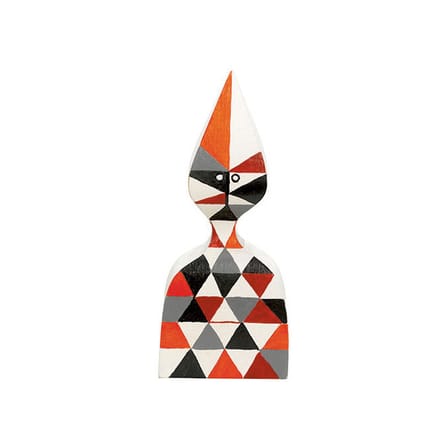
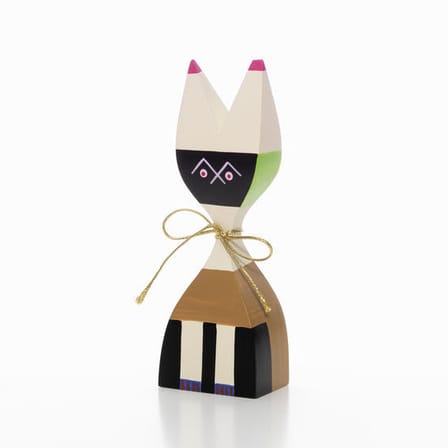
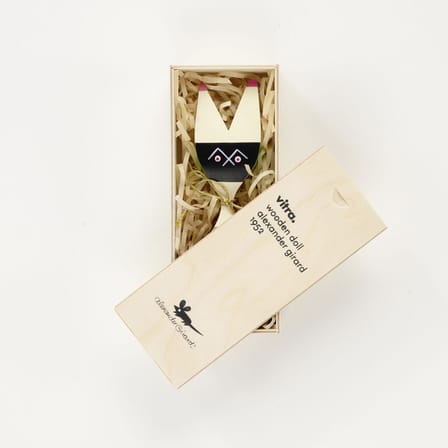
Vitra Decoration Wooden Dolls - No. 9 wood / By Alexander Girard, 1952
Multicoulered more variations -
Vitra Wall shelf Corniche Small plastic material / L 21 cm - Bouroullec, 2012
White more variations -
eco design
Vitra Ronan Bouroullec - Drawing 2018 Poster paper orange / 67.5 x 67.5 cm
Orange more variations -
eco design
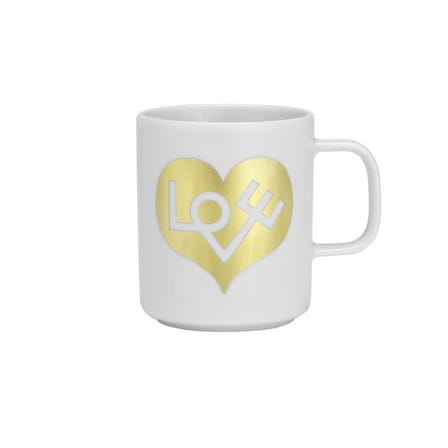
Vitra Love Heart Mug ceramic gold / Motif by Alexander Girard (1971)
Gold more variations -
eco design
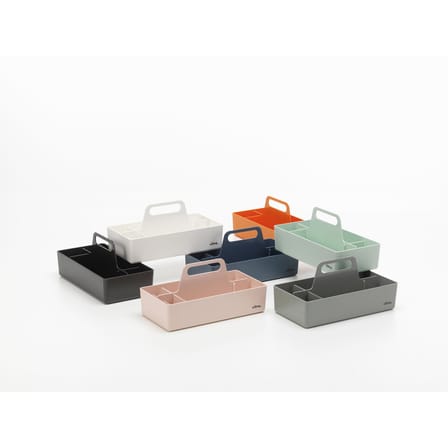
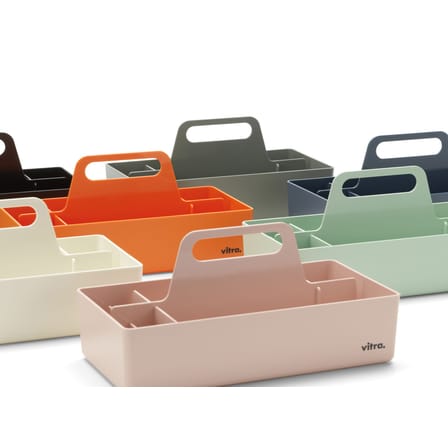
Vitra Storage box Toolbox RE plastic material / Recycled - Compartmentalised / 32 x 16 cm
Mint green more variations -
eco design
Vitra Love Heart Mug ceramic red / Motif by Alexander Girard (1971) - Set of 6
Red more variations -
eco design
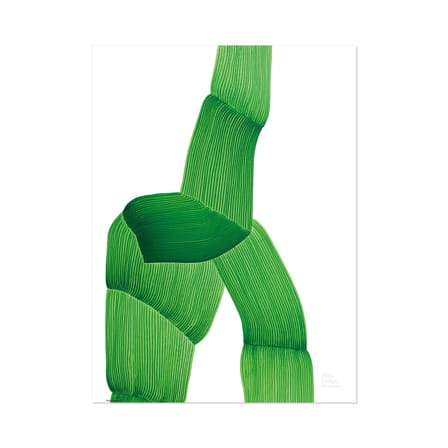
Vitra Ronan Bouroullec - Drawing 2018 Poster paper green / 50 x 67.5 cm
Green more variations -
eco design
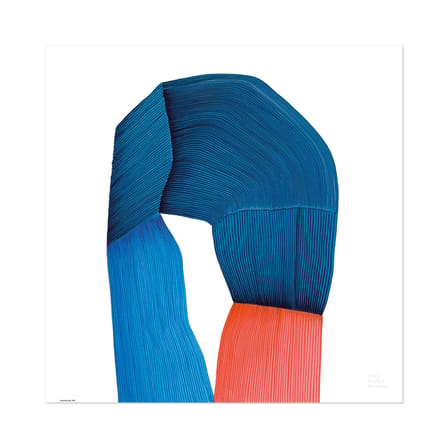
Vitra Ronan Bouroullec - Drawing 2018 Poster paper blue / 67.5 x 67.5 cm
Blue - Red more variations




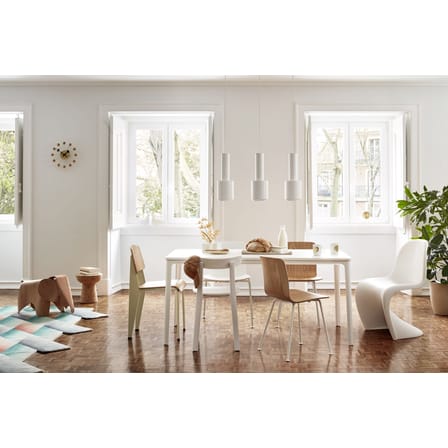



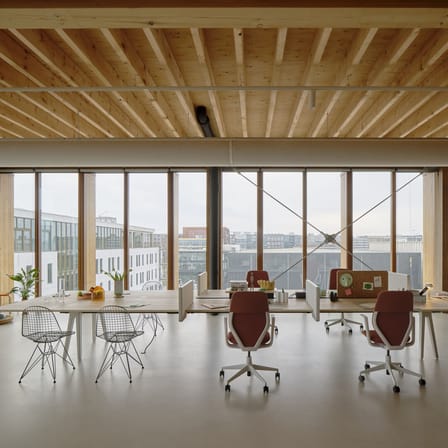
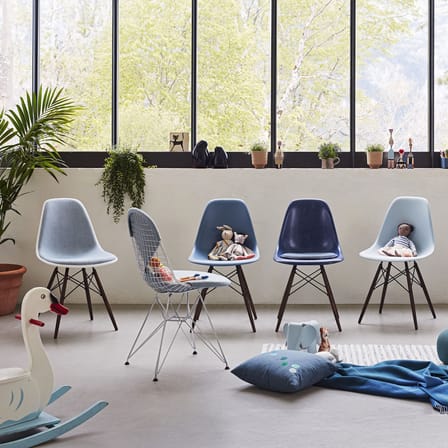
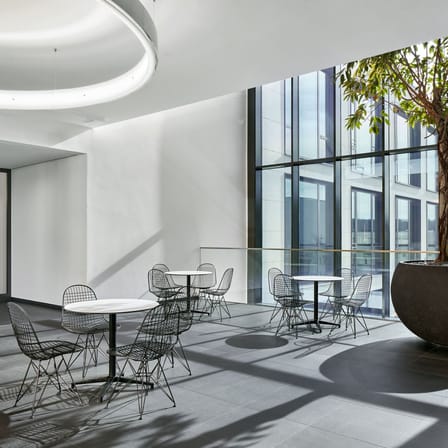











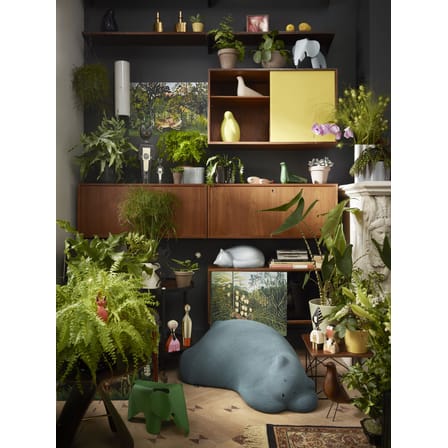







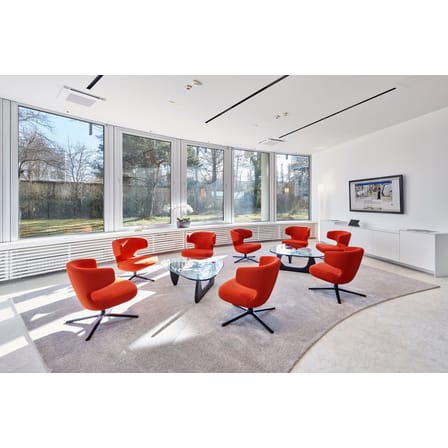


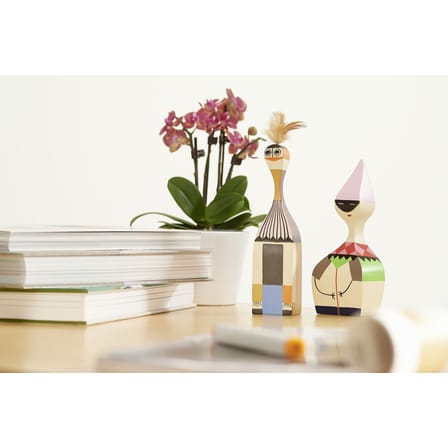
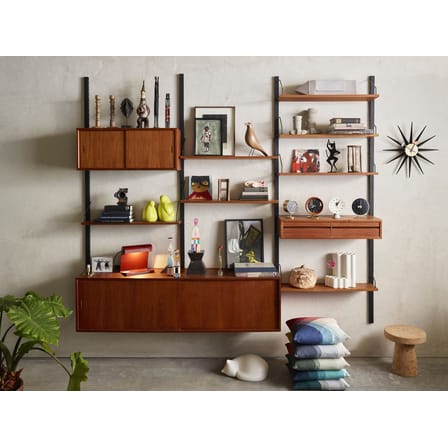
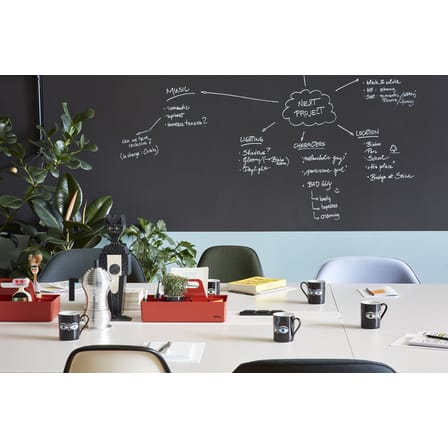
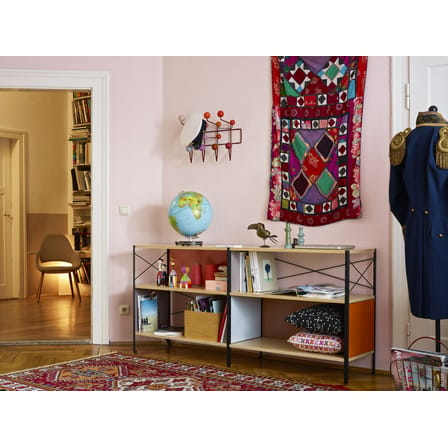




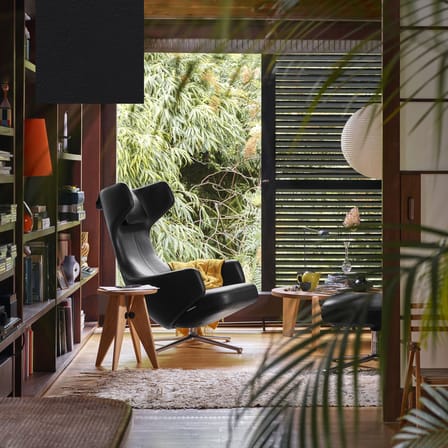
































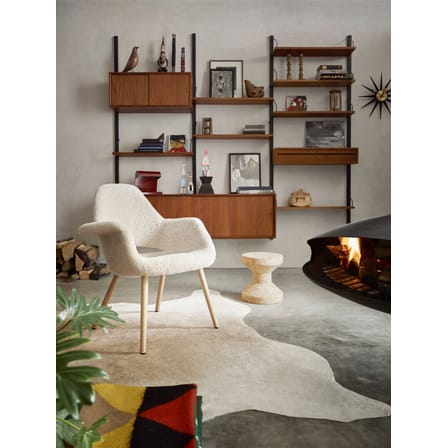


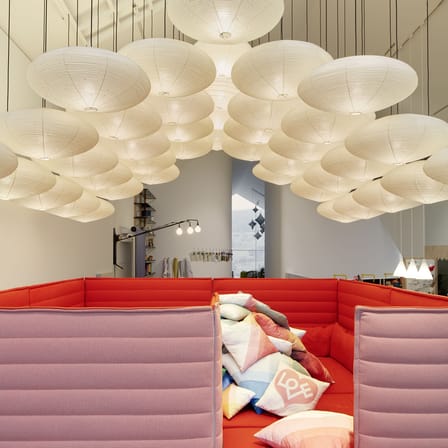




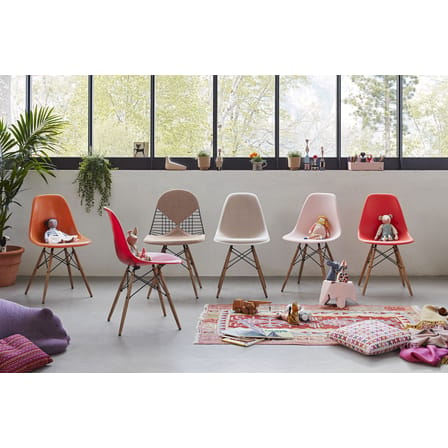



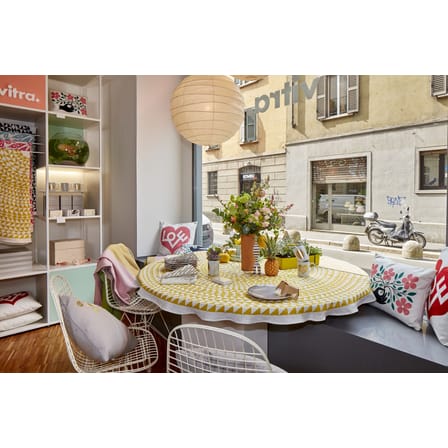






Vitra, the company that shaped modern design
Few brands have contributed as much to shaping the way we live, work, and spend our time as Vitra. For more than seventy years, the Swiss company has been producing designs that have stood the test of time without losing their modernity, creating a dialogue between the great pioneers of 20th-century design and the talents shaping the furniture of tomorrow. More than just a manufacturer, Vitra develops, refines, and preserves objects designed to last—both in terms of their craftsmanship and their aesthetic relevance. This vision has enabled the company to build one of the world’s most remarkable catalogs of designer furniture, which has become a benchmark for private individuals, architects, and interior design professionals alike.
An Encounter That Changed the History of Design
Vitra’s story begins in 1950, when Willi and Erika Fehlbaum founded a company near Basel specializing in store design. Three years later, a trip to the United States changed the course of their lives. Upon discovering the designs of Charles & Ray Eames produced by Herman Miller, Willi Fehlbaum realized he was witnessing a true revolution. The Eameses weren’t just designing furniture—they were rethinking the very concept of object design, blending technical innovation, new materials, comfort, and industrial production.
Convinced of the potential of this approach, he secured the manufacturing and distribution rights to the Eames’ designs for Europe and the Middle East. This partnership established Vitra’s identity and marked the beginning of a unique design journey.
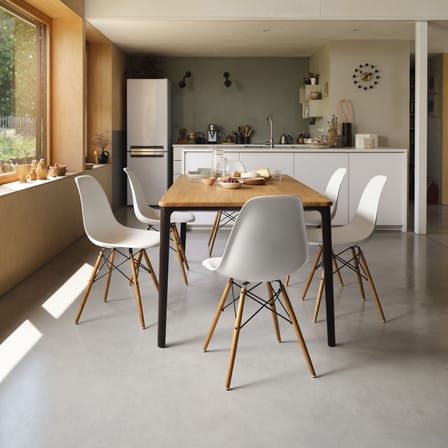
Beyond iconic designs such as the Lounge Chair & Ottoman, the Eames Plastic Chairs, andthe Aluminium Group, Charles & Ray Eames instilled a philosophy that still guides the brand today: designing durable furniture that is accessible in its use and intended to enhance everyday life. Their influence extends far beyond their own creations and has had a lasting impact on Vitra’s culture.
This first collaboration then paved the way for many others. George Nelson, Jean Prouvé, Verner Panton, Isamu Noguchi, and Alexander Girard gradually joined the catalog, soon followed by Antonio Citterio, Jasper Morrison, Ronan & Erwan Bouroullec, Hella Jongerius, and Konstantin Grcic. Each new collaboration enriches a legacy in which generations of designers engage in dialogue with one another rather than simply succeeding one another.
More than a manufacturer—a design publisher
Unlike many furniture manufacturers, Vitra has never sought to impose a single, instantly recognizable style. Its identity is rooted in a different ambition: that of a publisher. Its role is to support designers in developing their creations, to tackle the technical challenges involved in their production, and to ensure that each piece remains true to the designer’s vision.
This philosophy is expressed through a central concept at Vitra: the Original. An original piece of furniture is not defined solely by its authenticity. It is the result of a lasting collaboration between a designer and their manufacturer, in which every detail—from proportions to materials, including comfort, finishes, and manufacturing processes—is carefully preserved. As techniques evolve, Vitra incorporates them only if they enhance the product’s quality, durability, or environmental impact, without ever compromising the original design.
It is this commitment that explains why designs conceived more than half a century ago continue to be produced today with the same level of quality and fidelity.
Design meant to stand the test of time
At Vitra, collections do not follow the ebb and flow of trends. Historic designs remain in the catalog because they continue to meet contemporary needs, while new collaborations enrich this legacy without disrupting its balance. This long-term vision deeply distinguishes the brand within the world of design furniture.
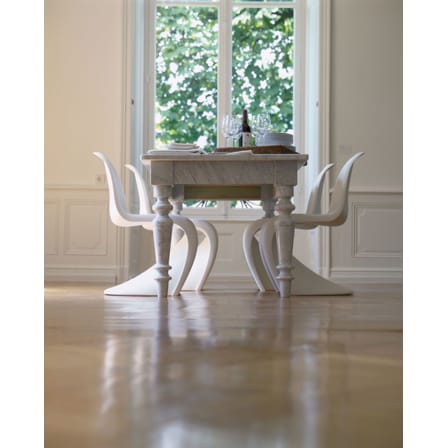
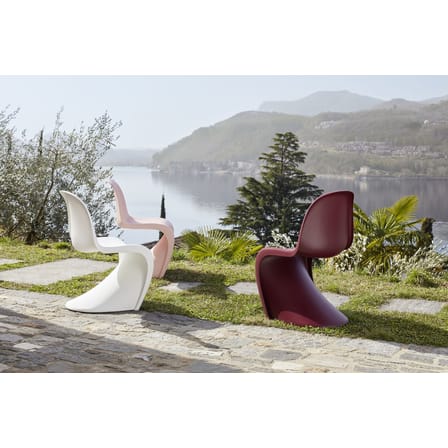
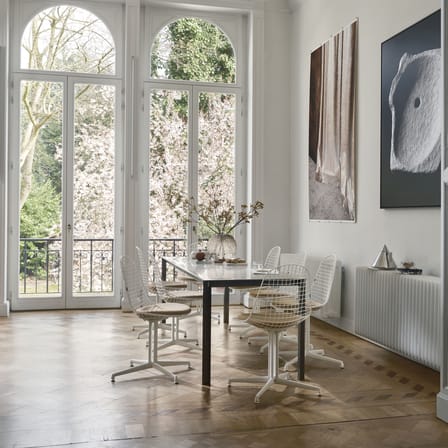
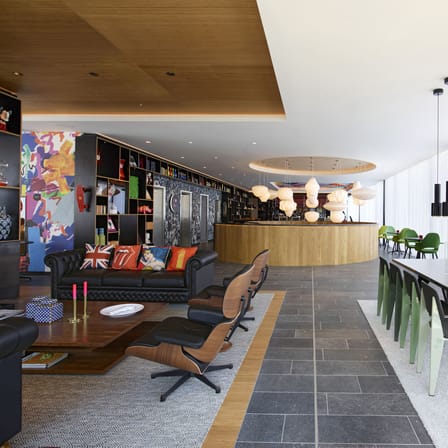
It results in pieces designed to accompany multiple generations thanks to meticulous craftsmanship, materials selected for their durability, and an approach that prioritizes repair, maintenance, and longevity over replacement. An Eames Lounge Chair, a Panton Chair, a “Standard” by Jean Prouvé, or a creation by the Bouroullec brothers thus naturally find their place in contemporary interiors, desks, hotels, public spaces, or the permanent collections of the world’s leading museums.
More than just a designer furniture manufacturer, Vitra has become one of the companies that has contributed most to preserving, passing on, and advancing the heritage of modern design.
Vitra’s Iconic Designers and Creations
If Vitra holds a unique place in the world of design, it is above all thanks to the men and women who have shaped its catalog. Since the 1950s, the brand has collaborated with designers whose creations have profoundly marked the history of furniture. Some have become true international icons, still in production decades after their launch, while the most recent designs demonstrate Vitra’s ability to evolve design without ever betraying its heritage.
Charles & Ray Eames, the pioneers of modern design
No duo has left as indelible a mark on Vitra’s history as Charles & Ray Eames. Their collaboration with the brand began in 1953 and laid the foundation for a relationship that continues to this day. By exploring molded plywood, fibreglass, aluminum, and plastic, they demonstrated that technical innovation can enhance an object’s comfort, functionality, and beauty.
Among their most iconic creations are:
- Lounge Chair & Ottoman (1956), which has become one of the most famous armchairs in the world.
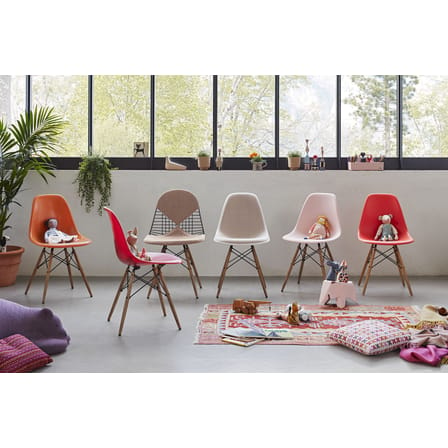
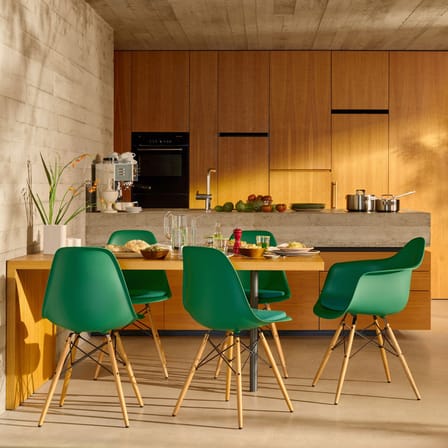
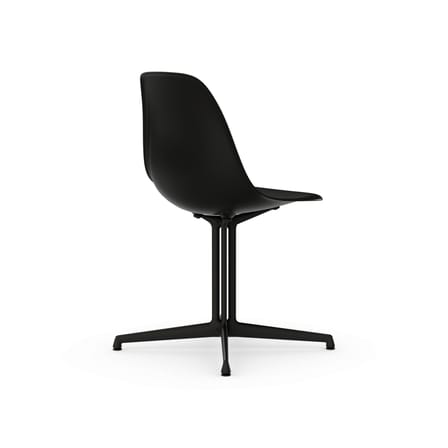
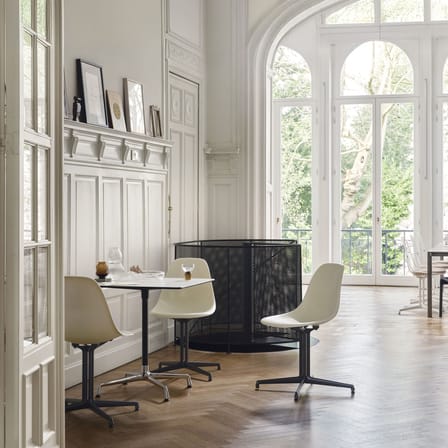
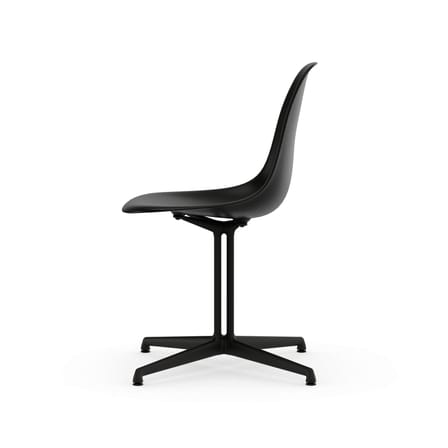
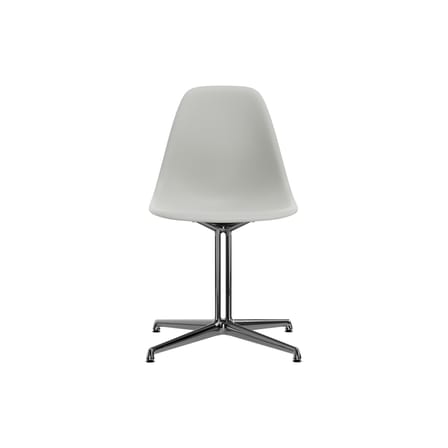
- Eames Plastic Chairs, the first mass-produced plastic chairs, now available in numerous versions.
- Aluminium Group, an essential benchmark in contemporary office furniture.
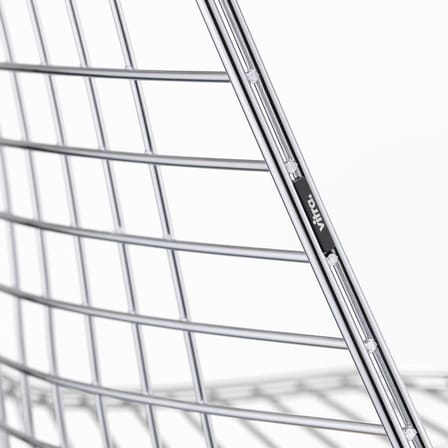
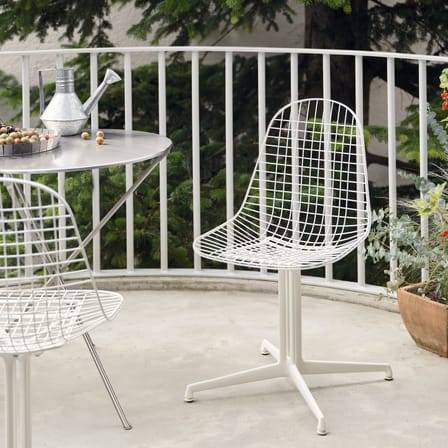
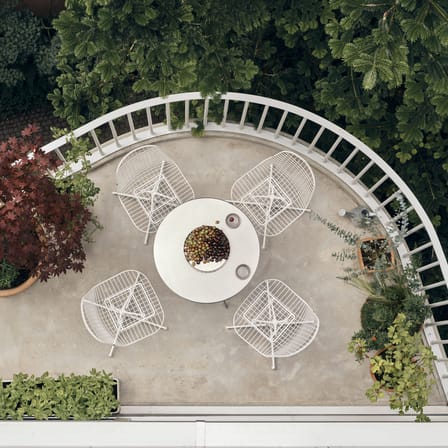
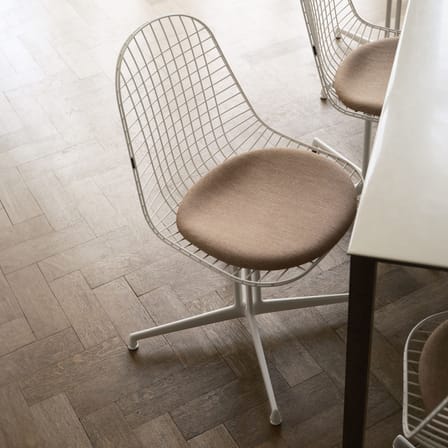
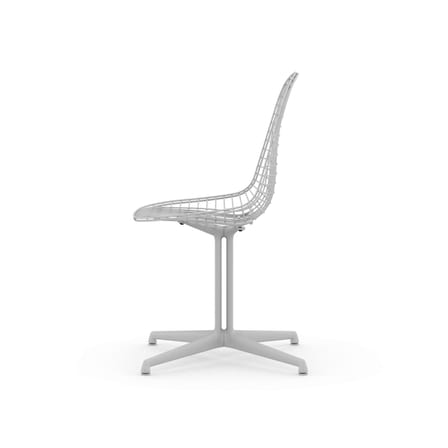
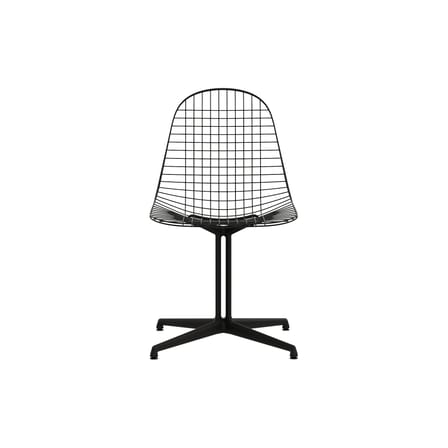
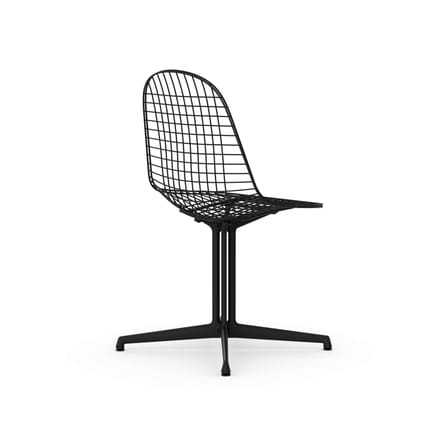
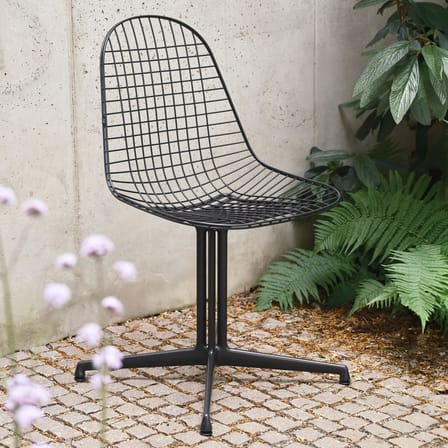
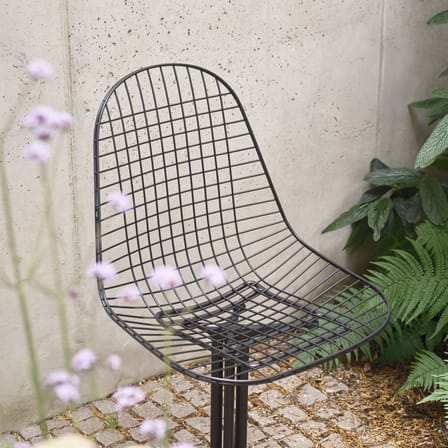
- Wire Chair, which reinterprets the shell of the Plastic Chairs using a steel wire frame.
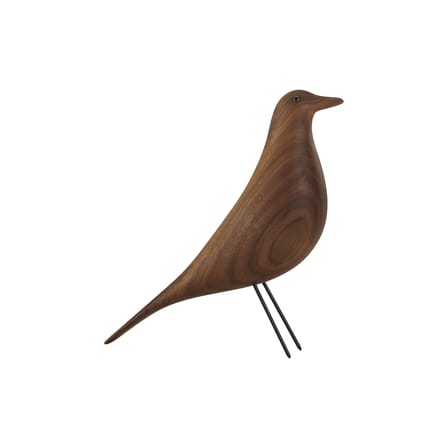
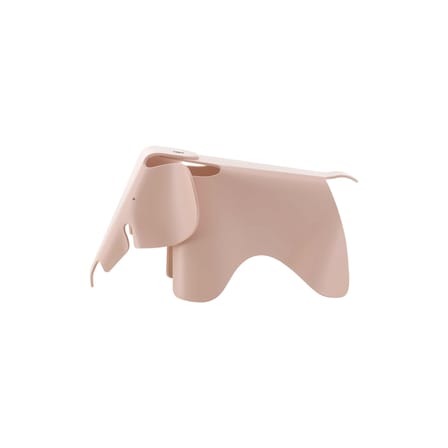
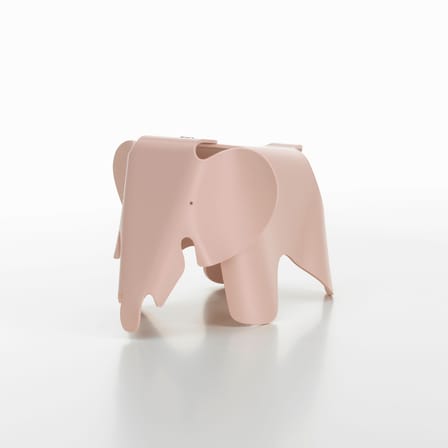
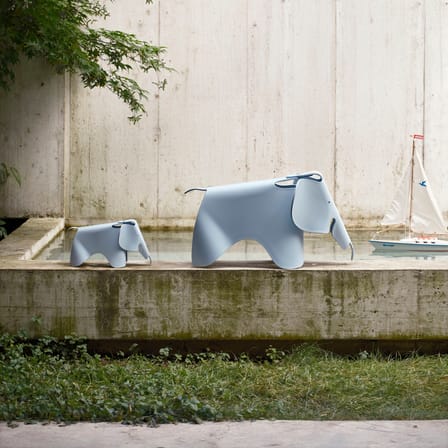
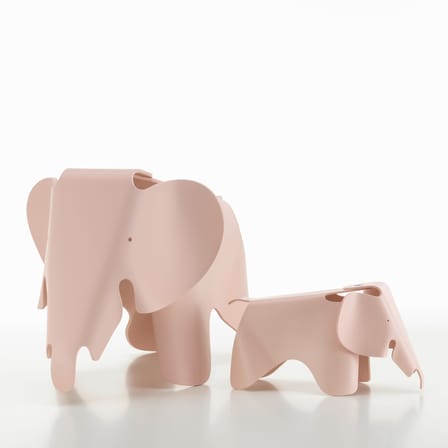
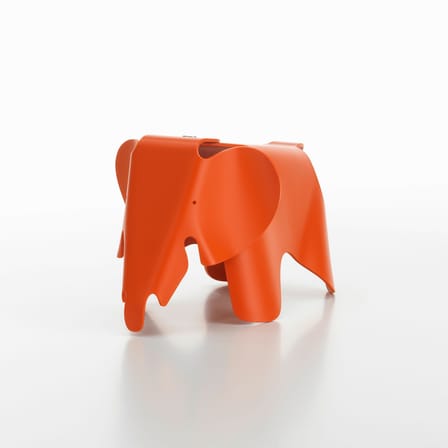
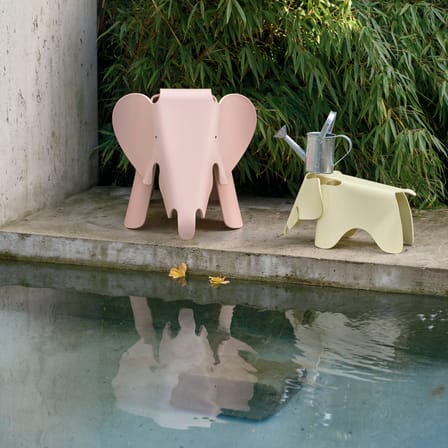
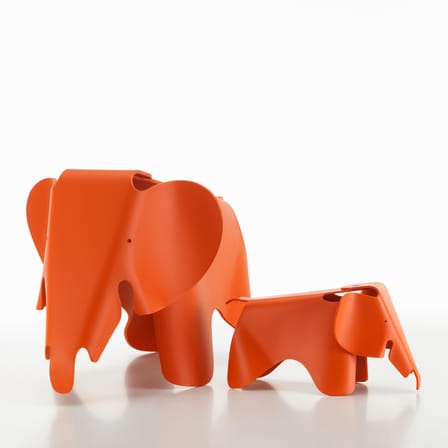
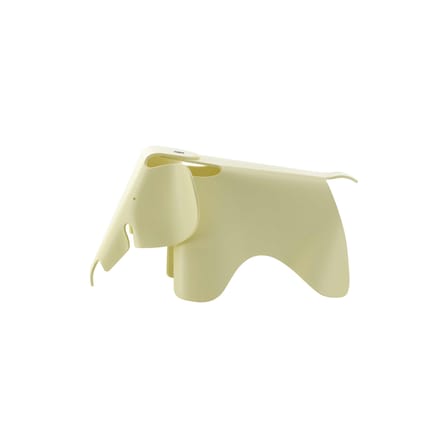
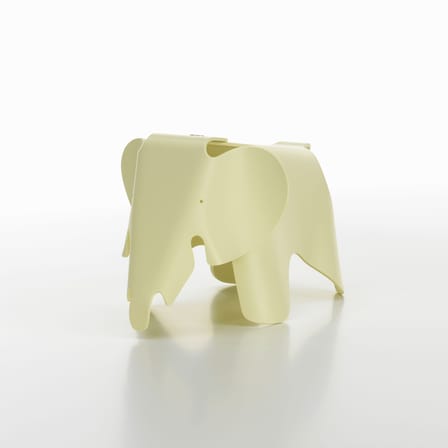
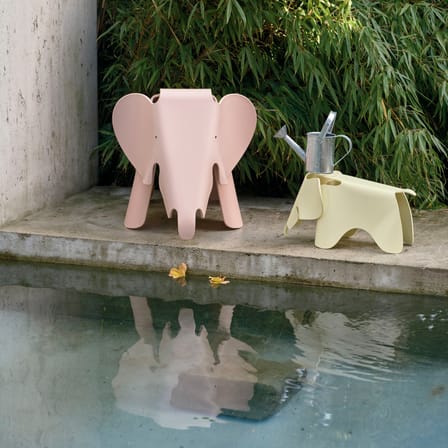
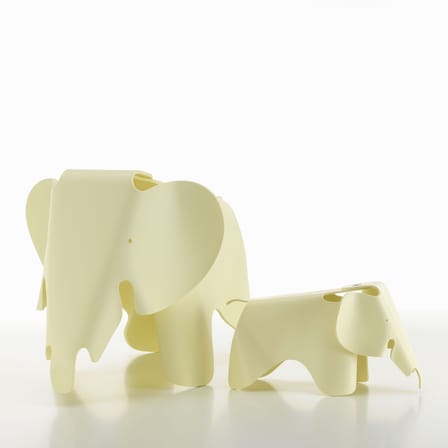
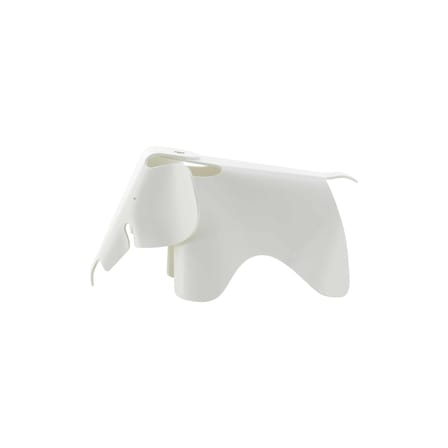
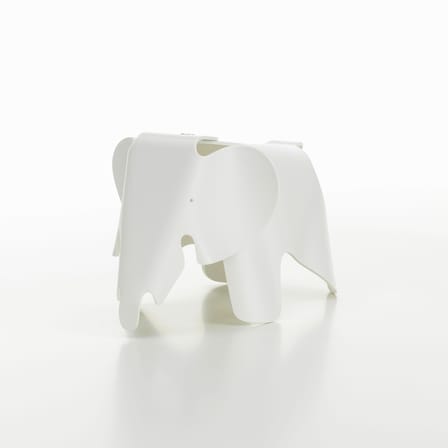
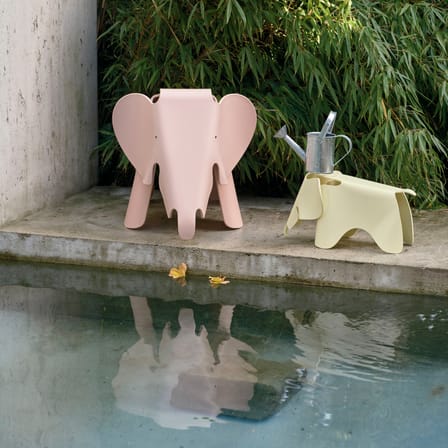
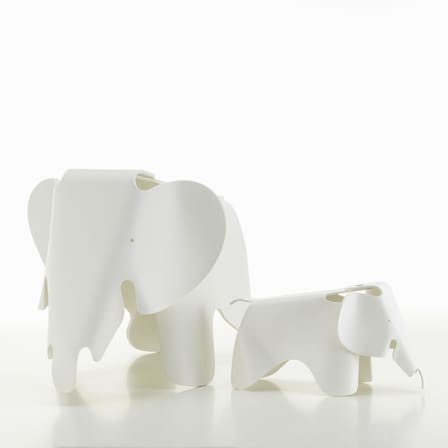
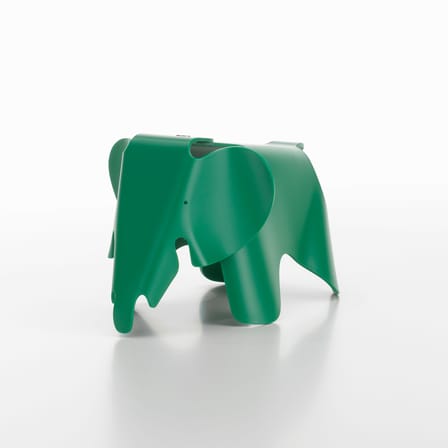
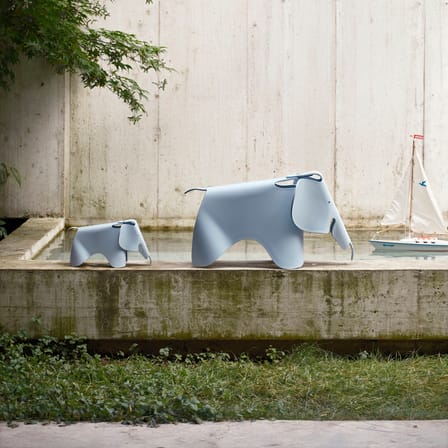
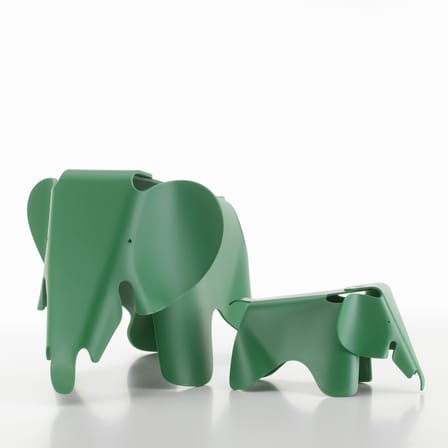
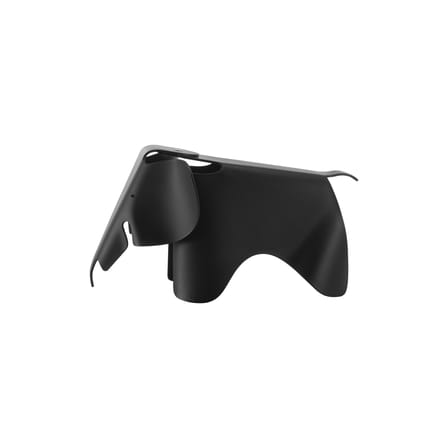
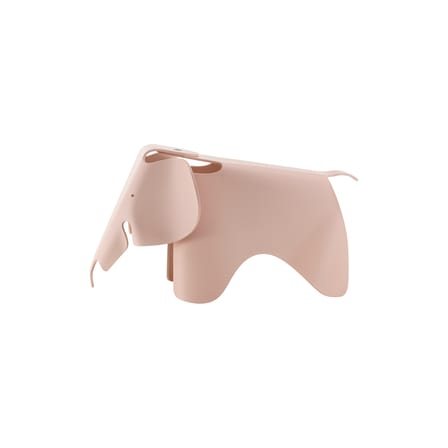
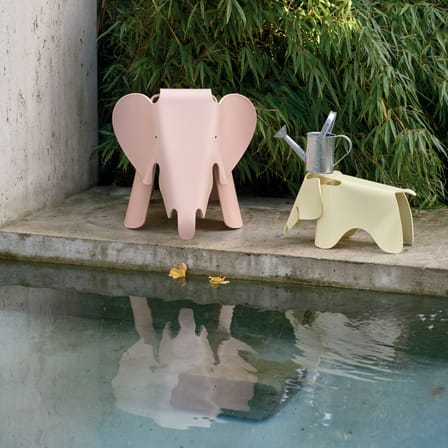
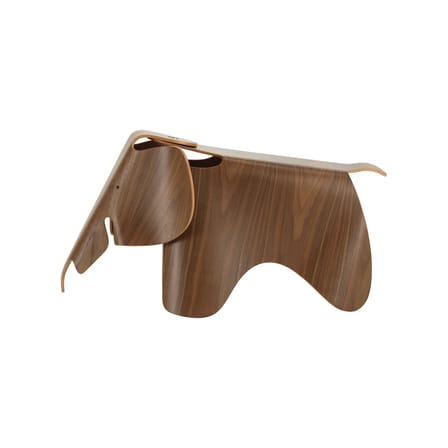
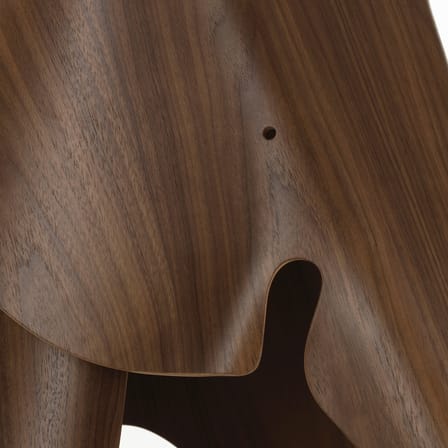
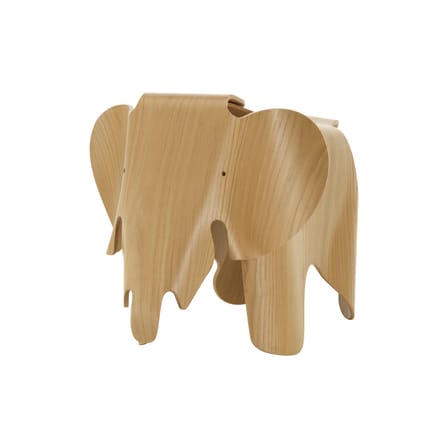
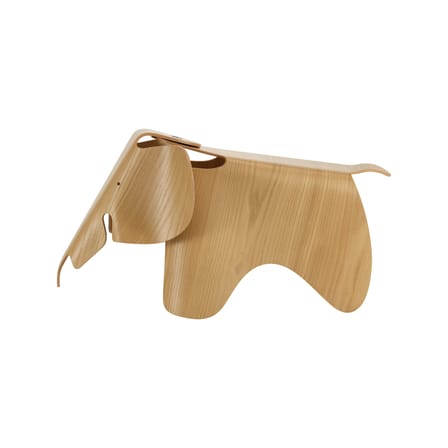
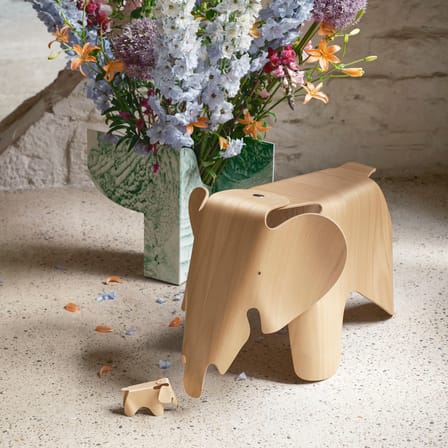
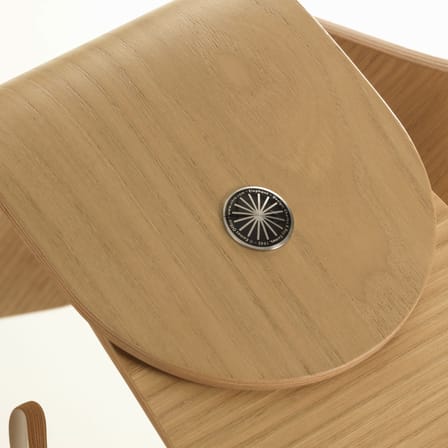
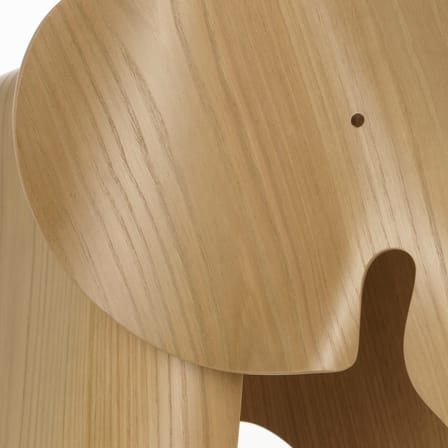
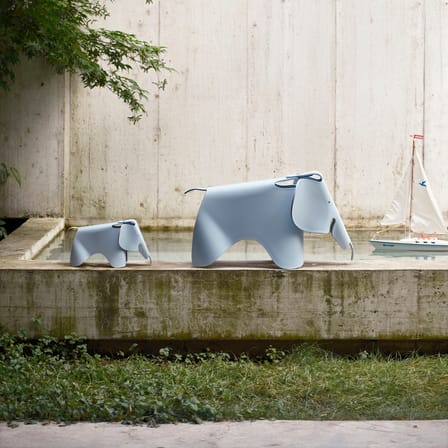
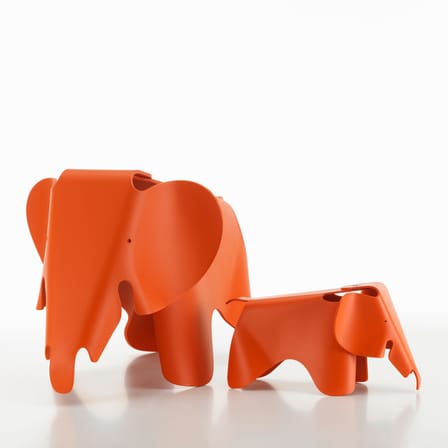
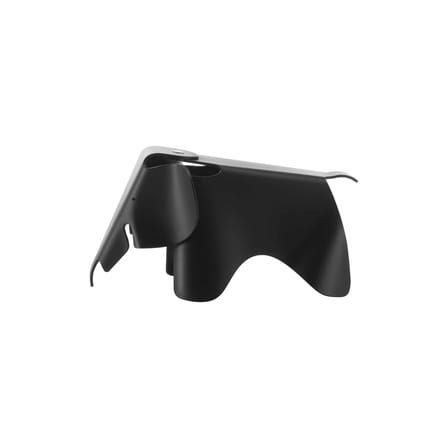
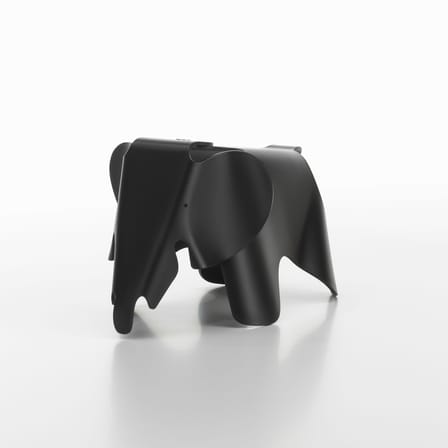
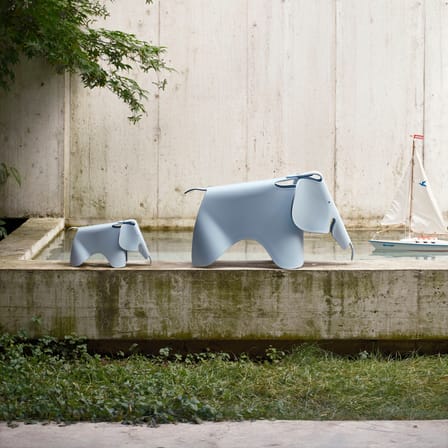
- Eames Elephant, originally conceived as a Toy before becoming an iconic Decorative object.
These creations embody a philosophy that remains relevant today: designing durable, comfortable, and deeply useful objects capable of being part of everyday life for several generations.
The Big Names in Design at Vitra
Over the decades, Vitra has built an exceptional catalog featuring some of the most influential figures in modern and contemporary design.
- Jean Prouvé, with creations such as the Standard, the Chaise Tout Bois, and the Compas Direction desk, where structural logic becomes a true aesthetic language.
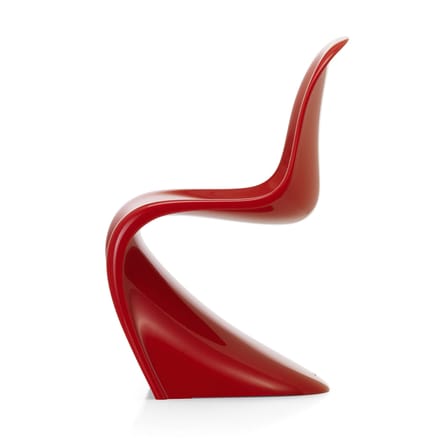
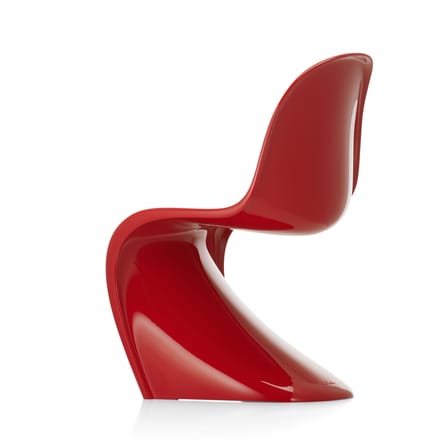
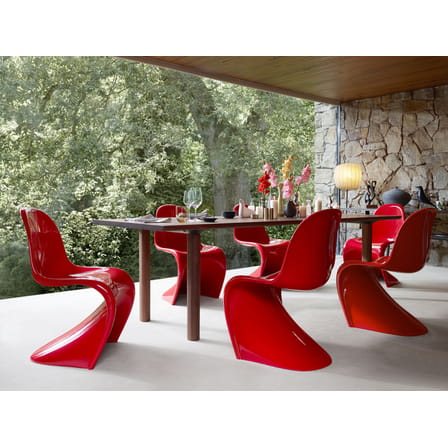
- Verner Panton, creator of the legendary Panton Chair, the first one-piece, injection-molded Plastic chair to be mass-produced.
- George Nelson, designer of the famous Wall Clocks, the Ball Clock, and the Hang It All coat stand, which have become classics of American design.
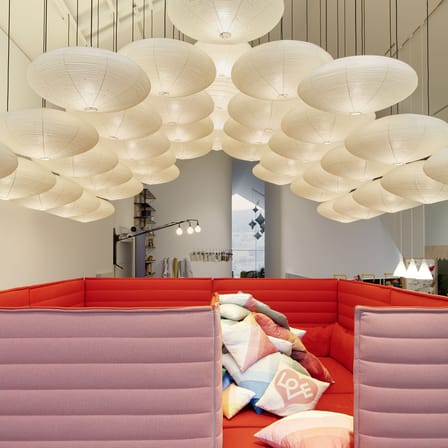
- Isamu Noguchi, whose Coffee Table and Akari Light Sculptures exemplify the fusion of Sculpture and furniture.
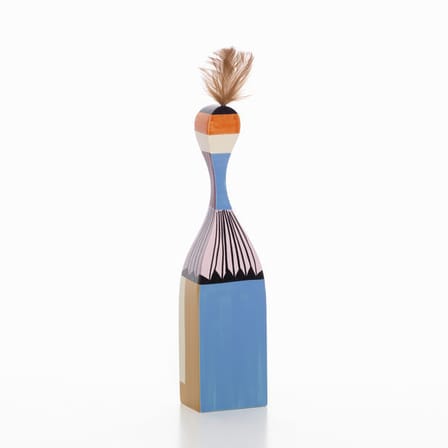
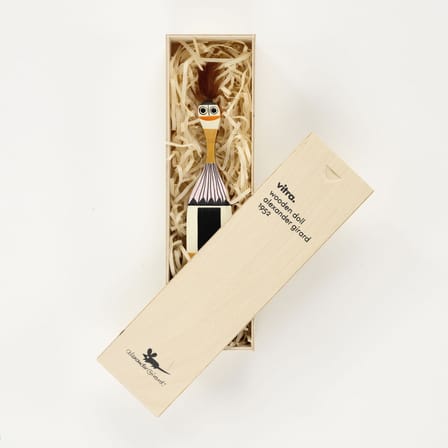
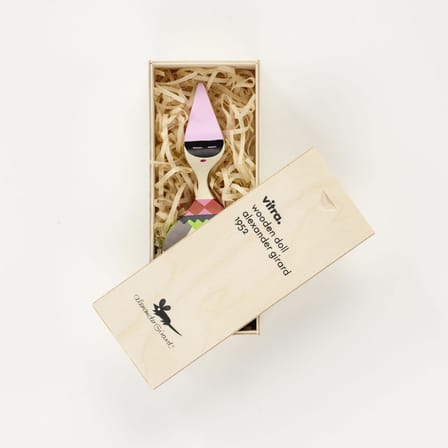
- Alexander Girard, who contributed his textiles, patterns, and decorative objects in iconic colors to the collection.
This story continues with a new generation of designers, including Antonio Citterio, Jasper Morrison, Ronan & Erwan Bouroullec, Konstantin Grcic, Hella Jongerius, Barber Osgerby, and Naoto Fukasawa. Each enriches the collection with their own vision, while remaining true to the brand’s editorial continuity.
Collections that have become design classics
From iconic seating to solutions for workspaces, Vitra has developed a comprehensive catalog that caters to both residential interiors and professional architectural and interior design projects.
Among the most iconic collections are:
- Vitra chairs are among the most famous in contemporary design, ranging from the Eames Plastic Chairs to the Panton Chair, including Jean Prouvé’s Standard and Jasper Morrison’s HAL.
- Vitra’s armchairs include iconic models such as the Lounge Chair & Ottoman, Grand Repos, Softshell Chair, Slow Chair, and Alcove.
- Vitra’s office furniture, which includes pieces such as the Aluminium Group, ID Chair, Physix, and Rookie, is designed to meet the needs of modern work environments.
- Vitra tables are suitable for both residential and professional use, with models such as the Small table, Compas Direction, EM Table, Belleville Table, and Plate Table.
- Vitra’s decorative objects—including George Nelson clocks, Akari lamps, the Eames Elephant, the Miniatures Collection, and numerous Accessories—extend the brand’s universe far beyond furniture, with George Nelson clocks, Akari lamps, the Eames Elephant, the Miniature Collection, and numerous decorative objects.
By bringing together designs that have become design classics and resolutely contemporary projects, Vitra has created a catalog of remarkable coherence. Each new edition is part of an already rich history, while helping to shape the future of design.
Why Vitra Is a Global Leader in Design
Over the decades, Vitra has become much more than a furniture manufacturer. The company has established itself as a major player in design culture, committed to preserving its heritage as much as to advancing it. This ambition is reflected not only in its collections but also in its architecture, its museum, and its ongoing exploration of new ways of living. At Vitra, design is not limited to creating beautiful objects; it is a powerful tool for sustainably improving our everyday environment.
The Vitra Campus, a place unlike any other in the world
Located in Weil am Rhein, on the border between Germany, Switzerland, and France, the Vitra Campus is now a must-visit destination for design and architecture enthusiasts. Born out of the fire that destroyed a large part of the production facilities in 1981, it became an opportunity for Vitra to envision an extraordinary industrial site.
Rather than entrusting the entire project to a single architect, the brand enlisted some of the leading figures in contemporary architecture. Notable highlights include Frank Gehry’s first building in Europe, Zaha Hadid’s first completed work, as well as projects by Tadao Ando, Álvaro Siza, Herzog & de Meuron, SANAA, and Buckminster Fuller. More than just a production site, the Vitra Campus has become an open-air architectural laboratory where furniture, architecture, and landscape are in constant dialogue.
The Vitra Design Museum: Preserving and Promoting Design
Opened in 1989, the Vitra Design Museum is now considered one of the world’s leading institutions dedicated to design and architecture. Far beyond the exhibitions it organizes, the museum conducts significant research, conservation, and outreach work focused on leading designers, their creations, and the issues that shape our lifestyles.
Its collections, publications, and archives help preserve an exceptional heritage while fueling contemporary thinking on housing, materials, production, and sustainability. This cultural mission is a natural extension of Vitra’s own: to promote design as much as to produce it.
A Sustainable Vision of Furniture
Long before sustainability became a priority for the furniture industry, Vitra was already advocating an approach based on the longevity of objects. For the brand, the most responsible product is, above all, one that lasts for several decades.
This philosophy is based on several commitments:
- designing sturdy furniture capable of withstanding intensive daily use
- prioritizing high-quality materials and rigorous manufacturing processes
- enable the repair and replacement of many parts to extend the products’ lifespan
- continuously improve manufacturing processes without compromising the original designs.
This vision explains why Vitra furniture is found in private homes as well as offices, cultural institutions, hotels, and public spaces around the world.
An influence that extends beyond furniture
Vitra’s creations are now part of the permanent collections of the world’s leading international museums and continue to inspire architects, designers, and furniture manufacturers. This recognition goes far beyond the success of models that have become iconic: it attests to the brand’s ability to build a living legacy, where each new creation engages in a dialogue with those that came before it.
Choosing a Vitra piece means acquiring much more than just a piece of furniture. It means bringing into your home an original creation that is part of more than seventy years of design history, driven by a consistent commitment to quality, innovation, and the passing on of knowledge. It is this vision that makes Vitra one of the most respected design houses in the world today.
Vitra: Frequently Asked Questions
What is Vitra?
Vitra is a Swiss manufacturer of designer furniture and accessories founded in 1950. The brand collaborates with leading international designers—including Charles & Ray Eames, Jean Prouvé, Verner Panton, and Jasper Morrison—to produce designs that have become icons of modern design.
What is the difference between Vitra and Herman Miller?
Both Vitra and Herman Miller produce authentic designs under official license, but in different regions. Herman Miller primarily markets these designs in North America, while Vitra is the leading manufacturer in Europe and many international markets.
Why is Vitra furniture so expensive?
The price of a Vitra piece of furniture reflects the quality of its craftsmanship, the materials used, and its faithful reproduction of the designers’ original designs. Designed to last for decades, Vitra’s creations prioritize quality, durability, and authenticity over a culture of disposable consumption.
Where is Vitra furniture manufactured?
Most Vitra furniture is manufactured in Europe, notably in Weil am Rhein, Germany, according to rigorous quality standards that ensure fidelity to the brand’s original designs.
How can you recognize an original Vitra piece of furniture?
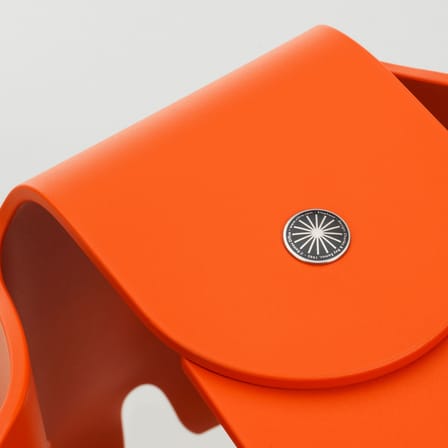
An original Vitra piece is produced under an official license and is distinguished by the quality of its materials and finishes, as well as by the brand’s distinctive identifying features. When you shop at Made In Design, you’re guaranteed to purchase an authentic piece from the official distribution network.
What are Vitra’s most iconic designs?
The Vitra catalog features numerous design classics, including the Lounge Chair & Ottoman, the Eames Plastic Chairs, the Panton Chair, Jean Prouvé’s Standard, Isamu Noguchi’s Coffee Table, and George Nelson’s Wall Clocks.
Are the Vitra products sold on Made In Design official and covered by a warranty?
Yes. Made In Design is an official Vitra retailer. All furniture, lighting, and accessories offered are authentic products sourced from the authorized distribution network and are covered by the manufacturer’s warranty.
Why invest in an original Vitra piece?
Choosing an original Vitra piece means investing in a piece of furniture designed to last, faithful to its designer’s vision and manufactured according to the brand’s quality standards. Beyond its everyday use, a Vitra piece possesses true heritage value and is part of the history of contemporary design.